In today’s fast-paced commercial environment, business continuity is not a luxury—it is a necessity. Companies rely heavily on uninterrupted electrical power to support daily operations, protect sensitive data, maintain security systems, and ensure employee productivity. Even a minor electrical failure can halt operations, disrupt customer service, damage equipment, and result in significant financial losses. That is why regular electrical inspections are a critical component of any business continuity strategy. Far beyond a routine compliance requirement, electrical inspections serve as a proactive safeguard against operational downtime, safety hazards, and costly emergency repairs.
Commercial electrical systems are inherently complex. They often include high-capacity service panels, multiple distribution boards, backup power systems, data cabling infrastructure, and advanced automation controls. Over time, these systems experience wear and tear due to load fluctuations, environmental conditions, and continuous usage. Without regular inspections, hidden problems such as loose connections, overloaded circuits, insulation deterioration, or failing breakers can go unnoticed until a critical failure occurs. Electrical inspections provide an opportunity to detect and correct these issues early, reducing the risk of unexpected disruptions. Check out https://www.nashelectricnc.com/ for more details.
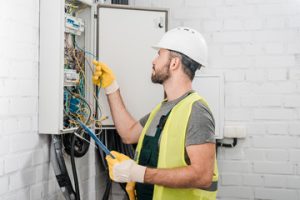
One of the primary reasons regular electrical inspections are vital for business continuity is risk mitigation. Electrical faults are among the leading causes of commercial property damage and fires. Overheated conductors, short circuits, and arc faults can escalate rapidly, threatening not only infrastructure but also employee safety. During a comprehensive inspection, licensed professionals examine panels, switchgear, transformers, and wiring systems for signs of overheating, corrosion, and physical damage. Thermal imaging technology is often used to identify hot spots that may indicate excessive resistance or load imbalance. By addressing these vulnerabilities proactively, businesses significantly reduce the likelihood of catastrophic failures that could shut down operations for days or even weeks.
Another critical benefit of routine inspections is the prevention of costly downtime. In many industries, even a brief interruption in power can disrupt production lines, compromise data integrity, or halt customer transactions. Manufacturing facilities, healthcare providers, data centers, and retail operations all depend on reliable electricity to function efficiently. Regular electrical inspections help ensure that circuits are properly balanced, breakers are functioning correctly, and emergency backup systems are operational. Identifying weaknesses in advance allows for scheduled maintenance or component replacement during planned downtime rather than during an unexpected crisis.
Compliance and regulatory adherence are also central to maintaining business continuity. Commercial properties must meet established electrical safety standards and building codes. Failing to comply can result in fines, insurance complications, or operational restrictions. Regular inspections ensure that systems align with current safety requirements, particularly when renovations, expansions, or equipment upgrades occur. Inspectors verify grounding and bonding systems, confirm proper labeling, and evaluate protective devices such as ground fault and arc fault interrupters. Maintaining compliance not only protects businesses legally but also strengthens their reputation for responsible facility management.
Electrical inspections also play a significant role in extending equipment lifespan. Commercial electrical infrastructure represents a substantial capital investment. Switchgear assemblies, transformers, generators, and large HVAC systems are costly assets that must operate reliably over many years. Without preventive inspections, minor issues such as dust accumulation, loose terminals, or degraded insulation can accelerate wear and lead to premature failure. Scheduled evaluations ensure that equipment is properly maintained, cleaned, and adjusted to manufacturer specifications. This approach protects investments while minimizing replacement costs and unexpected breakdowns.
Energy efficiency is another compelling reason to prioritize routine inspections. Inefficient electrical systems consume excess energy, increase operating costs, and strain infrastructure. During inspections, professionals can assess load distribution, evaluate lighting systems, and identify outdated components that draw unnecessary power. Businesses may discover opportunities to optimize circuits, upgrade to energy-efficient lighting, or recalibrate systems to reduce consumption. Improved energy efficiency not only lowers utility bills but also reduces stress on the electrical network, contributing to overall reliability and sustainability.
Emergency preparedness is closely tied to regular inspection practices. Backup generators, uninterruptible power supplies (UPS), and emergency lighting systems must function flawlessly during outages. However, these systems are often overlooked until an emergency occurs. Routine inspections include load testing generators, verifying fuel systems, checking battery health, and confirming automatic transfer switch functionality. By testing emergency systems under realistic conditions, businesses can confidently rely on them during actual power disruptions. This level of preparedness strengthens operational resilience and minimizes downtime during unforeseen events.
For businesses aiming to strengthen continuity planning, electrical inspections typically focus on several essential components:
- Thorough evaluation of service panels, switchgear, and distribution boards for wear, overheating, or corrosion.
- Load analysis and circuit balancing to prevent overloads and voltage instability.
- Testing of protective devices, including breakers and fault interrupters.
- Inspection and testing of backup power systems and emergency lighting.
- Verification of grounding and bonding integrity.
- Review of wiring conditions, insulation quality, and connection tightness.
- Documentation updates to ensure accurate system records and panel schedules.
In addition to physical assessments, documentation plays a powerful role in maintaining business continuity. Updated single-line diagrams, panel schedules, and maintenance logs allow facility managers and electricians to respond quickly during troubleshooting. Clear labeling of circuits reduces confusion and shortens repair times. Detailed maintenance records also provide valuable data for predicting future upgrades or replacements, enabling strategic budgeting and planning.
Electrical inspections can also uncover hidden vulnerabilities that may not present immediate symptoms. For example, harmonics generated by non-linear loads such as servers and electronic equipment can cause overheating and inefficiencies in distribution systems. Without testing, these issues may remain undetected until they cause equipment damage. Similarly, aging breakers may appear functional but fail to trip under fault conditions. Routine testing ensures that protective devices respond correctly, reducing the risk of cascading failures.
Another aspect of inspections that directly impacts continuity is connection integrity. Loose or improperly torqued connections create resistance and generate heat. Over time, this can lead to arcing, equipment damage, or fire hazards. Inspections typically include torque checks and thermal scanning to confirm that connections meet specifications. Addressing loose connections is a relatively simple corrective action that prevents significant future problems.
Commercial environments often experience changes in electrical demand as businesses grow or adopt new technologies. Adding machinery, data systems, or expanded lighting can increase load requirements beyond the capacity of existing infrastructure. Regular inspections provide an opportunity to reassess system capacity and determine whether upgrades are necessary. Proactively expanding capacity avoids overloading circuits and ensures the electrical system evolves alongside operational needs.
There are several strategic advantages businesses gain from implementing consistent electrical inspections:
- Reduced risk of operational shutdowns caused by electrical failures.
- Lower long-term repair costs through preventive maintenance.
- Improved employee safety and reduced liability exposure.
- Enhanced energy efficiency and cost control.
- Strengthened compliance with safety regulations and insurance requirements.
- Increased reliability of emergency power systems during outages.
Business continuity planning is incomplete without addressing the electrical infrastructure. While many organizations focus on cybersecurity, supply chain resilience, and disaster recovery, electrical system reliability is often underestimated. Yet without power, none of these systems can function. Regular inspections integrate seamlessly into broader continuity strategies by reducing vulnerabilities and supporting uninterrupted operations.
Furthermore, insurance providers often view proactive electrical maintenance favorably. Demonstrating a consistent inspection schedule and documented maintenance efforts can help mitigate claims and potentially reduce premiums. Insurers recognize that well-maintained electrical systems present lower risk profiles, particularly regarding fire hazards and equipment damage.
The cost of regular inspections is minimal compared to the financial impact of a prolonged outage. Lost revenue, spoiled inventory, damaged equipment, and reputational harm can far exceed the investment required for preventive assessments. By scheduling inspections annually or semi-annually, depending on facility size and complexity, businesses create a structured approach to infrastructure management.
In conclusion, the importance of regular electrical inspections for business continuity cannot be overstated. They serve as a proactive defense against equipment failure, fire hazards, energy inefficiencies, and compliance violations. Through comprehensive evaluations of panels, wiring, protective devices, and backup systems, businesses gain the confidence that their electrical infrastructure can support daily operations without interruption. By integrating inspections into a broader maintenance and continuity strategy, organizations safeguard assets, protect employees, and maintain operational stability. In a competitive marketplace where downtime can translate directly into lost revenue and damaged reputation, regular electrical inspections are not merely advisable—they are essential for sustainable business success.