Car Window Tinting: Benefits, Protection, and Long-Term Value for Vehicle Owners

Car window tinting has become one of the most popular vehicle upgrades for drivers seeking enhanced comfort, privacy, and protection. While many people initially choose window tinting for its sleek appearance, the benefits extend far beyond aesthetics. Professionally installed window tint can improve driving comfort, reduce interior heat buildup, protect vehicle surfaces from sun damage, and increase privacy for both drivers and passengers. As vehicle owners continue to look for ways to preserve the condition of their automobiles while improving the overall driving experience, car window tinting remains a practical and valuable investment.

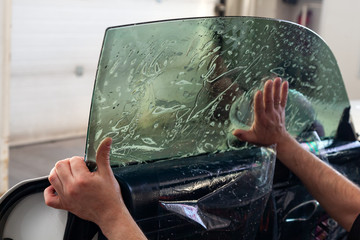
car window tinting

One of the primary reasons drivers choose car window tinting is heat reduction. Vehicles exposed to direct sunlight can quickly become uncomfortable, especially during warmer months. Excessive heat not only affects passenger comfort but also places additional strain on air conditioning systems. Window tinting helps reduce solar heat penetration by limiting the amount of sunlight that enters through the glass. As a result, vehicle interiors remain cooler and more comfortable, even after extended periods of sun exposure. This improvement can enhance daily driving experiences while potentially reducing fuel consumption associated with heavy air conditioning use.

In addition to improving comfort, car window tinting plays an important role in protecting vehicle interiors. Continuous exposure to ultraviolet rays can cause fading, cracking, and deterioration of upholstery, dashboards, door panels, and other interior components. Over time, sun damage can significantly reduce the appearance and value of a vehicle. Window tint acts as a protective barrier that helps minimize UV exposure, preserving interior materials and maintaining a cleaner, newer appearance. This added protection can contribute to higher resale value and reduce the need for costly interior repairs or replacements.

Privacy is another major advantage associated with car window tinting. Many vehicle owners appreciate the increased discretion that tinted windows provide. Passengers often feel more comfortable when outsiders cannot easily view the interior of the vehicle. Additionally, privacy can help protect personal belongings by reducing visibility from outside the car. While tinting should never be considered a substitute for proper vehicle security measures, it can act as an additional deterrent by making it more difficult for opportunistic individuals to see valuable items left inside the vehicle.

Safety benefits are often overlooked when discussing car window tinting, but they are equally important. High-quality window films can help strengthen glass by holding shattered fragments together if a window breaks due to an accident or impact. Instead of scattering throughout the vehicle, broken glass may remain partially attached to the film, reducing the risk of injury to occupants. This added layer of protection can provide valuable peace of mind for drivers and passengers alike.

Several key benefits make car window tinting a popular vehicle enhancement:

  1. Reduced interior heat buildup during sunny conditions.
  2. Protection against harmful ultraviolet radiation.
  3. Increased privacy for drivers and passengers.
  4. Improved appearance and vehicle aesthetics.
  5. Enhanced safety through glass reinforcement.

These advantages contribute to both the short-term enjoyment and long-term preservation of a vehicle.

The appearance of a vehicle is another reason many owners invest in professional window tinting. Tinted windows often create a refined and cohesive look that complements the overall design of the automobile. Whether paired with a modern vehicle or an older model, professionally applied tint can elevate visual appeal without requiring extensive modifications. Because appearance plays a significant role in vehicle ownership satisfaction, window tinting remains one of the most cost-effective ways to enhance a car’s exterior presentation.

Choosing the appropriate window tint requires careful consideration of several factors. Different tint levels provide varying degrees of light reduction, privacy, and heat rejection. Vehicle owners should evaluate their priorities, local regulations, driving habits, and desired appearance before selecting a particular tint option. Professional installers can help determine which solution best aligns with the driver’s needs while ensuring proper application and long-term performance. Selecting the right tint helps maximize benefits while maintaining visibility and safety.

Quality installation is critical to achieving optimal results. Even the highest-quality window film may fail to perform effectively if it is improperly installed. Professional installers use specialized tools and techniques to ensure smooth application, proper alignment, and long-lasting adhesion. Poor installation can result in bubbles, peeling, discoloration, or reduced effectiveness over time. Investing in professional workmanship helps ensure that the tint remains attractive and functional throughout its lifespan.

Modern window tint technology has advanced considerably in recent years. Today’s premium films offer superior heat rejection, improved durability, and enhanced optical clarity compared to older tinting products. Advanced materials allow drivers to enjoy significant solar protection without excessively darkening the windows. These innovations have expanded the range of options available to vehicle owners, making it easier to find solutions that balance comfort, appearance, and visibility.

When evaluating window tint options, vehicle owners often consider several important factors:

  1. Heat rejection capabilities.
  2. Ultraviolet protection levels.
  3. Optical clarity and visibility.
  4. Durability and longevity.
  5. Maintenance requirements.

Understanding these considerations can help drivers make informed decisions and maximize the value of their investment.

Maintaining tinted windows is generally straightforward, but proper care is important for preserving appearance and performance. Newly installed tint should be allowed sufficient time to cure before cleaning. Once fully cured, routine cleaning with appropriate products can help maintain clarity and prevent damage to the film. Avoiding abrasive materials and harsh chemicals reduces the risk of scratches or discoloration. Consistent maintenance ensures that tinted windows continue to provide protection and visual appeal for many years.

Car window tinting can also contribute to a more enjoyable driving experience by reducing glare from sunlight and bright reflections. Excessive glare can cause eye strain and reduce visibility during certain driving conditions. By filtering incoming light, window tint helps create a more comfortable visual environment for drivers. Improved visibility and reduced eye fatigue can enhance concentration and make long drives more pleasant.

As vehicle owners increasingly prioritize comfort, efficiency, and preservation, car window tinting continues to offer practical advantages that extend well beyond aesthetics. The combination of heat reduction, UV protection, privacy enhancement, safety benefits, and improved appearance makes window tinting one of the most versatile automotive upgrades available. Whether the goal is protecting a vehicle’s interior, increasing passenger comfort, or enhancing overall style, professionally installed window tint provides a solution that delivers lasting value.

In conclusion, car window tinting represents a smart investment for vehicle owners seeking greater comfort, protection, and visual appeal. By reducing heat, blocking harmful UV rays, increasing privacy, and contributing to safer driving conditions, quality window tint offers benefits that can be appreciated every day. With proper installation and maintenance, window tinting can help preserve both the condition and value of a vehicle while creating a more enjoyable driving experience for years to come.

What Is Outdoor Pest Management and Why Is It Important for Your Property?

Pest Management

Picture stepping outside on a beautiful morning only to find insects gathering around your patio, ants marching across walkways, or rodents hiding near outdoor structures. Outdoor spaces are meant to be enjoyed, whether for relaxation, entertaining guests, gardening, or spending time with family. However, pest activity can quickly diminish the comfort and usability of these areas. What begins as a few occasional pests can eventually develop into a larger problem that affects both the appearance and safety of a property.

Outdoor pest management at Ben’s Pest Control is a proactive approach to controlling unwanted pests before they become serious infestations. By focusing on prevention, monitoring, and targeted control measures, property owners can maintain healthier outdoor environments while reducing the likelihood that pests will eventually move indoors. Understanding the importance of outdoor pest management can help protect landscapes, structures, and the overall enjoyment of outdoor living spaces.

Understanding Outdoor Pest Management

Outdoor pest management refers to the process of identifying, preventing, and controlling pests that live or breed around a property. Unlike indoor pest control, which focuses on eliminating pests already inside a structure, outdoor pest management aims to address problems at their source.

Many common pests spend most of their lives outdoors. Insects, rodents, and other nuisance pests often find food, water, and shelter in yards, gardens, landscaping features, and surrounding areas. When these resources are abundant, pest populations can increase rapidly.

A well-designed outdoor pest management plan focuses on creating conditions that are less attractive to pests. This often involves a combination of sanitation, habitat modification, regular inspections, and preventive treatments. By reducing pest activity outdoors, the risk of indoor infestations can also be significantly reduced.

Outdoor pest management is not a one-time task. It is an ongoing process that requires consistent attention throughout the year to maintain effective results.

Common Outdoor Pests That Affect Properties

Many different types of pests can create problems in outdoor environments. Each species presents unique challenges and may require specific management strategies.

Ants are among the most frequently encountered outdoor pests. While some species remain outside, others may eventually enter structures in search of food and water. Large colonies can develop in lawns, garden beds, and near foundations.

Mosquitoes are another common concern. These pests breed in standing water and can quickly become a nuisance during warm weather. Their bites can make outdoor activities uncomfortable and may pose health concerns in certain situations.

Rodents often establish nests in outdoor areas before finding opportunities to enter buildings. Dense vegetation, wood piles, and cluttered storage areas can provide ideal shelter for these pests.

Stinging insects such as wasps and hornets may build nests around outdoor structures. Their presence can create safety concerns, particularly for individuals who are sensitive to insect stings.

Other outdoor pests may include beetles, spiders, flies, fleas, ticks, and various plant-damaging insects. The specific pests encountered often depend on environmental conditions and the characteristics of the property.

What Attracts Pests to Outdoor Spaces?

Pests are constantly searching for environments that provide the resources they need to survive. Understanding what attracts them can help property owners take preventive action.

Food availability is one of the primary attractions. Outdoor dining areas, uncovered garbage containers, fallen fruit, pet food, and organic debris can all serve as food sources for pests. Even small amounts of food residue may attract insects and rodents.

Water is equally important. Standing water in birdbaths, clogged gutters, decorative features, and poorly drained areas creates ideal conditions for many pests. Mosquitoes, in particular, rely on stagnant water for reproduction.

Shelter is another major factor. Overgrown vegetation, dense landscaping, wood piles, leaf litter, and cluttered storage areas provide protection from predators and harsh weather conditions. These sheltered environments allow pests to hide, nest, and reproduce.

Structural features may also contribute to pest activity. Cracks in foundations, gaps around utility lines, and damaged exterior materials can provide entry points for pests seeking access to indoor spaces.

By addressing these attractants, property owners can significantly reduce the likelihood of outdoor pest problems.

The Role of Landscaping in Pest Prevention

Landscaping practices play a major role in outdoor pest management. A well-maintained landscape can discourage pest activity, while neglected areas often create ideal conditions for infestations.

Proper lawn care helps reduce pest habitats. Regular mowing minimizes shelter opportunities and improves air circulation. Tall grass and dense vegetation can provide ideal hiding places for insects and rodents.

Pruning shrubs and trees is also important. Branches that touch structures may serve as pathways for pests attempting to gain access indoors. Maintaining adequate clearance around buildings can help reduce this risk.

Removing yard debris is another valuable preventive measure. Fallen leaves, branches, and other organic materials can retain moisture and create hiding places for pests. Routine cleanup helps eliminate these attractive conditions.

Mulch should be applied carefully and maintained properly. Excessive mulch depth may create moist environments that attract insects. Appropriate landscaping practices balance aesthetic appeal with effective pest prevention.

Drainage improvements can further support outdoor pest management. Eliminating areas where water accumulates reduces breeding opportunities for mosquitoes and other moisture-dependent pests.

Why Regular Inspections Matter

One of the most effective ways to prevent serious pest problems is through routine inspections. Regular evaluations allow property owners to identify potential issues before infestations become established.

Inspecting outdoor spaces can reveal early signs of pest activity such as nests, burrows, damaged plants, droppings, or insect trails. Detecting these indicators early often makes control efforts simpler and more effective.

Inspections also help identify environmental conditions that may attract pests. Standing water, excessive vegetation, structural damage, and sanitation concerns can all be addressed before they contribute to larger problems.

Seasonal inspections are particularly valuable because pest activity often changes throughout the year. Different pests become more active during certain seasons, making regular monitoring essential for comprehensive protection.

Consistency is key. Properties that receive routine inspections are often better equipped to prevent infestations than those that rely solely on reactive treatments.

Effective Outdoor Pest Management Strategies

Successful outdoor pest management involves a combination of preventive measures and targeted interventions. No single strategy is effective in every situation, which is why a comprehensive approach is often recommended.

Sanitation serves as the foundation of any pest management program. Removing food sources, securing garbage containers, and maintaining clean outdoor areas reduce the resources that pests depend on.

Habitat modification is equally important. Reducing clutter, trimming vegetation, and improving drainage help create environments that are less attractive to pests. Eliminating shelter opportunities can significantly impact pest populations.

Exclusion measures can prevent pests from moving indoors. Sealing cracks, repairing damaged screens, and maintaining exterior structures help reduce access points.

Monitoring and ongoing maintenance support long-term success. Pest populations and environmental conditions can change over time, making regular observation essential.

Targeted treatments may be necessary when pest activity becomes significant. These measures are most effective when combined with preventive practices that address the underlying causes of infestations.

The Benefits of Professional Outdoor Pest Management

While many preventive steps can be handled independently, professional outdoor pest management can provide additional advantages. Experienced professionals understand pest behavior and can identify issues that may not be immediately obvious.

A thorough inspection can reveal hidden breeding sites, nesting areas, and environmental conditions contributing to pest activity. This information allows for the development of customized management plans tailored to the specific needs of a property.

Professional services often focus on long-term prevention rather than temporary solutions. By addressing root causes and implementing comprehensive strategies, they help reduce the likelihood of recurring problems.

Another benefit is ongoing monitoring. Regular assessments ensure that pest management efforts remain effective and adapt to changing conditions throughout the year.

Professional guidance can be particularly valuable when dealing with persistent infestations or complex pest issues that require specialized expertise.

Final Thoughts

Outdoor pest management plays a critical role in maintaining safe, attractive, and enjoyable outdoor environments. By addressing pest activity before it becomes severe, property owners can protect their landscapes, structures, and overall quality of life. Understanding what attracts pests and implementing preventive measures can significantly reduce the risk of infestations.

Effective outdoor pest management combines sanitation, habitat modification, regular inspections, and ongoing maintenance. These proactive efforts create conditions that discourage pests while supporting long-term property protection. With consistent attention and a comprehensive approach, outdoor spaces can remain comfortable, healthy, and pest-free throughout the year.

How Long Are Mold Inspection Reports Valid?

Mold Inspection Salt Lake City plays a crucial role in maintaining healthy indoor environments and protecting properties from moisture-related damage. Whether a property owner is buying a home, selling a building, addressing water damage, or investigating potential indoor air quality concerns, a mold inspection report can provide valuable insights into the condition of the property at a specific point in time. However, one question often arises after the inspection is complete: How long are mold inspection reports valid?

The answer is not always straightforward. Unlike certain licenses, certifications, or permits that come with clearly defined expiration dates, mold inspection reports do not usually have a universal validity period. Instead, their usefulness and reliability depend on several factors, including changes in environmental conditions, property maintenance, water intrusion events, renovations, and the purpose for which the report is being used.

mold inspection

Understanding how mold inspection reports work, what affects their validity, and when a new inspection may be necessary can help property owners make informed decisions. This guide explores the lifespan of mold inspection reports, factors that influence their accuracy over time, and best practices for ensuring the information remains relevant.

What Is a Mold Inspection Report?

A mold inspection report is a professional document that summarizes the findings of a mold assessment conducted on a property. The report typically includes observations about visible mold growth, moisture conditions, air quality testing results, laboratory analyses, photographs, and recommendations for remediation or further investigation.

The purpose of a mold inspection report is to provide a snapshot of a property’s environmental condition at the time of the inspection. It helps property owners, buyers, sellers, insurance representatives, contractors, and property managers understand whether mold is present and what actions may be necessary to address it.

Because mold growth is influenced by constantly changing environmental factors, the report reflects conditions that existed on the inspection date rather than guaranteeing future conditions.

Why Mold Inspection Reports Do Not Have a Fixed Expiration Date

One of the most common misconceptions about mold inspection reports is that they remain permanently valid. In reality, mold conditions can change rapidly, making a report less reliable as time passes.

Unlike structural blueprints or property deeds, mold inspection reports are based on environmental conditions that may evolve significantly over weeks, months, or years. Moisture levels, ventilation patterns, water leaks, humidity fluctuations, and building modifications can all influence mold development.

As a result, most professionals view mold inspection reports as time-sensitive documents. While they remain valuable records of past conditions, their ability to accurately represent current conditions diminishes over time.

For this reason, many property transactions, insurance evaluations, and remediation projects require relatively recent mold inspection reports rather than reports that are several years old.

The Importance of Timing

The validity of a mold inspection report is closely tied to the amount of time that has passed since the inspection was performed. Generally speaking, the newer the report, the more accurately it reflects the property’s current condition.

A report completed within the past few weeks may provide a reliable representation of existing mold conditions, assuming no significant changes have occurred within the property. However, as months pass, the likelihood of environmental changes increases.

Several factors contribute to the changing nature of mold conditions:

  1. Seasonal humidity fluctuations.
  2. Water leaks and plumbing failures.
  3. Roof damage and moisture intrusion.
  4. Changes in ventilation systems.
  5. Remodeling and construction projects.
  6. Flooding or storm-related water damage.

Because these events can occur unexpectedly, even a relatively recent report may become outdated if conditions change substantially.

Factors That Affect the Validity of Mold Inspection Reports

There is no universal rule that determines how long a mold inspection report remains useful. Instead, several factors influence its reliability and relevance over time.

Environmental Conditions

Mold growth is directly linked to moisture. If environmental conditions remain stable and no new water intrusion occurs, a mold inspection report may remain relevant for an extended period.

However, environments with fluctuating humidity levels or recurring moisture problems can experience significant changes in mold conditions within a short timeframe. In such situations, an older report may no longer accurately reflect the property’s condition.

Water Damage Events

One of the most significant factors affecting report validity is water damage. Even a minor plumbing leak can create favorable conditions for mold growth within a matter of days.

If a property experiences any of the following after an inspection, a new assessment may be necessary:

  1. Pipe leaks.
  2. Appliance failures.
  3. Roof leaks.
  4. Flooding.
  5. Sewage backups.
  6. Condensation-related moisture problems.

Water intrusion can dramatically alter indoor environmental conditions and render previous inspection findings outdated.

Renovations and Remodeling

Construction activities can influence mold conditions in several ways. Renovations may uncover previously hidden mold, alter airflow patterns, or introduce moisture into building materials.

Major remodeling projects often change the physical structure of a property, making older inspection reports less reliable. New building materials, wall removals, flooring replacements, and HVAC modifications can all affect mold development.

When significant renovations occur after an inspection, obtaining an updated assessment is often advisable.

How Long Do Real Estate Professionals Consider Reports Relevant?

In real estate transactions, mold inspection reports are often viewed as highly time-sensitive documents. Buyers and lenders generally prefer reports that reflect recent conditions rather than assessments completed many months or years earlier.

The reason is simple: mold conditions can change quickly. A report showing no mold issues six months ago does not necessarily guarantee that mold is absent today.

Many professionals involved in property transactions consider reports most valuable when they have been completed within a relatively recent timeframe. If a report is older, additional inspections may be recommended before finalizing a sale.

This helps protect all parties by ensuring that decisions are based on current information rather than outdated environmental data.

The Role of Mold Remediation in Report Validity

When mold remediation is performed after an inspection, the original report continues to serve as an important historical record. However, it no longer represents the property’s post-remediation condition.

Following remediation, many property owners choose to obtain a follow-up inspection or clearance assessment. This additional evaluation verifies that remediation efforts were successful and that mold levels have returned to acceptable conditions.

In these situations, the original report documents the initial problem, while the post-remediation report confirms the effectiveness of corrective actions.

Together, these documents provide a complete picture of the property’s mold-related history.

Situations That May Require a New Mold Inspection

Even if an existing report appears recent, certain circumstances may justify obtaining a new inspection.

Examples include:

  1. Discovery of new water damage.
  2. Unexplained musty odors.
  3. Visible mold growth.
  4. Indoor air quality complaints.
  5. Property renovations.
  6. Health concerns among occupants.

Any of these developments may indicate that conditions have changed since the previous inspection.

A new assessment provides updated information and helps identify any emerging issues before they become more extensive and costly to address.

Why Older Mold Inspection Reports Still Have Value

Although mold inspection reports become less reliable as indicators of current conditions, older reports still offer significant value. They provide historical documentation that can help property owners understand past issues and track changes over time.

Historical reports may reveal patterns such as recurring moisture problems, previously affected areas, or prior remediation efforts. This information can be useful when diagnosing ongoing issues or evaluating the effectiveness of past repairs.

Older reports can also support insurance claims, maintenance planning, and future inspections by providing context about the property’s environmental history.

In this sense, a mold inspection report never completely loses its value—it simply transitions from being a current assessment to a historical record.

How to Keep Mold Inspection Information Relevant

Property owners who want to maximize the usefulness of mold inspection reports should take proactive steps to maintain healthy indoor conditions and document any significant changes.

Helpful practices include:

  1. Address water leaks immediately.
  2. Monitor indoor humidity levels.
  3. Maintain proper ventilation.
  4. Keep records of repairs and renovations.
  5. Schedule periodic inspections when necessary.
  6. Document any mold remediation activities.

These efforts help create a comprehensive record of the property’s condition and make it easier to determine when updated assessments are needed.

The Cost of Relying on an Outdated Report

Using an outdated mold inspection report as the sole basis for decision-making can create risks. Mold growth can develop unnoticed, particularly in hidden areas such as wall cavities, crawl spaces, attics, and beneath flooring materials.

An old report may fail to identify:

  1. New moisture intrusion.
  2. Recent mold growth.
  3. Structural damage caused by water.
  4. Changes in indoor air quality.
  5. Emerging health concerns for occupants.

The cost of overlooking these issues can be substantial. Early detection remains one of the most effective ways to minimize remediation expenses and protect property value.

For this reason, relying exclusively on an older report without considering current conditions is rarely advisable.

Signs It Is Time for a New Inspection

Rather than focusing solely on the age of a report, property owners should pay attention to warning signs that suggest conditions may have changed.

Common indicators include:

  1. Persistent musty odors.
  2. Water stains on walls or ceilings.
  3. Increased humidity levels.
  4. Visible mold growth.
  5. Recent flooding or leaks.
  6. Unexplained respiratory discomfort among occupants.

If any of these signs are present, scheduling a new inspection can provide valuable peace of mind and help prevent further damage.

So, how long are mold inspection reports valid? The answer depends largely on the property’s condition and whether any significant environmental changes have occurred since the inspection. While mold inspection reports do not typically have a fixed expiration date, they are best viewed as snapshots of conditions at a specific moment in time.

Factors such as water damage, humidity fluctuations, renovations, and maintenance practices can quickly alter mold conditions, reducing the report’s relevance as time passes. For this reason, recent reports are generally considered more reliable when evaluating current mold risks.

That said, older mold inspection reports remain valuable as historical records that document past conditions and remediation efforts. Property owners should retain these reports while remaining aware that changing circumstances may warrant updated assessments.

Ultimately, the best approach is to treat mold inspection reports as living tools rather than permanent guarantees. By monitoring property conditions, addressing moisture issues promptly, and obtaining new inspections when necessary, property owners can maintain healthier indoor environments and protect the long-term value of their investments.

Why Professional Basement Remodeling Is Worth It

Basement remodeling has become one of the most strategic ways to increase usable living space without altering a home’s footprint. Whether the goal is to create a family lounge, home office, entertainment area, or additional guest suite, the basement offers a versatile foundation that can be transformed into nearly anything with the right planning and execution. However, while some homeowners consider taking a do-it-yourself approach to save money, professional basement remodeling consistently proves to be a more reliable and cost-effective long-term decision. The complexity of below-grade construction, combined with structural, moisture, and safety considerations, makes professional involvement not just beneficial but often essential for achieving durable, high-quality results.

One of the most compelling reasons to invest in professional basement remodeling is the technical expertise required to handle foundational and environmental challenges. Unlike above-ground spaces, basements are inherently more vulnerable to moisture intrusion, temperature fluctuations, and ventilation issues. Professionals are trained to assess and mitigate risks such as water seepage, condensation buildup, and mold growth, all of which can compromise both structural integrity and indoor air quality. Proper waterproofing systems, drainage solutions, and insulation techniques must be implemented correctly from the beginning to prevent costly repairs later. Without this level of expertise, even a visually appealing renovation can quickly deteriorate. Get in touch with J&R Construction for professional support.

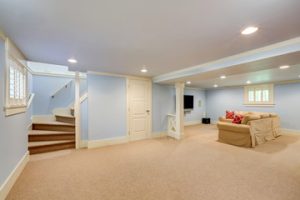
basement remodeling

Another major advantage of professional remodeling lies in code compliance and safety assurance. Basement spaces often require specific modifications to meet building regulations, particularly when converting them into habitable rooms. This may include proper ceiling height adjustments, emergency egress installation, fire safety measures, and electrical system upgrades. Professionals understand these requirements and ensure that every aspect of the project aligns with safety standards. Attempting to navigate these regulations without experience can lead to failed inspections, project delays, or even legal complications that significantly increase overall costs and frustration.

Beyond technical compliance, professional basement remodeling delivers superior design optimization. Basements often have structural limitations such as low ceilings, support beams, and irregular layouts that can make design planning challenging. Experienced remodelers know how to work within these constraints while maximizing space efficiency and visual appeal. They can transform awkward layouts into functional zones that feel open, cohesive, and comfortable. Strategic lighting design, space partitioning, and material selection all contribute to making a basement feel like a natural extension of the home rather than an afterthought.

A well-planned basement renovation also significantly increases property value, making it a strong financial investment. Finished basements are highly attractive to potential buyers because they effectively expand usable square footage without requiring external additions. The return on investment depends on the quality of the remodel, and professionally executed projects tend to yield higher resale value compared to amateur renovations. Buyers are more confident in homes where basement work has been completed with proper permits, quality materials, and professional craftsmanship, as it reduces concerns about hidden defects or future repair costs.

One often overlooked benefit of professional remodeling is efficient project management. Basement renovations involve multiple stages, including demolition, waterproofing, framing, electrical installation, plumbing adjustments, insulation, drywalling, flooring, and finishing work. Coordinating these tasks requires careful scheduling and sequencing to avoid delays or conflicts between different trades. Professionals manage this workflow systematically, ensuring that each phase is completed correctly before the next begins. This structured approach reduces downtime, prevents costly mistakes, and ensures that the project stays on track both financially and temporally.

Material selection is another area where professional expertise adds substantial value. Basements require materials that can withstand higher humidity levels and potential moisture exposure. Not all flooring, wall systems, or finishes are suitable for below-grade environments. Professionals understand which materials offer durability, resistance to mold, and long-term stability. For example, certain engineered flooring options, moisture-resistant drywall alternatives, and specialized insulation systems are commonly used in basement environments to enhance performance and longevity. Choosing the wrong materials can result in warping, deterioration, or health hazards over time.

To better understand where professional remodeling provides the most impact, it helps to break down the key areas where expertise matters most:

  1. Moisture control systems, including waterproofing membranes, drainage channels, and sump pump integration to prevent water damage.
  2. Structural modifications, such as reinforcing support beams, adjusting layouts, and ensuring load-bearing safety.
  3. Electrical and plumbing integration, including safe wiring, lighting design, and potential bathroom or kitchenette installations.
  4. Finishing and insulation systems are designed specifically for below-grade environments to maintain comfort and energy efficiency.

Each of these areas requires specialized knowledge that goes beyond general construction skills, reinforcing why professional involvement is so valuable.

Comfort and livability are also significantly improved when a basement is remodeled professionally. Proper insulation and HVAC integration ensure consistent temperature regulation, which is often a challenge in below-ground spaces. Professionals can design ventilation systems that prevent stale air buildup while maintaining energy efficiency. Lighting design also plays a crucial role in transforming a basement from a dark, enclosed area into a bright and welcoming environment. Layered lighting techniques, including ambient, task, and accent lighting, help create depth and warmth that would be difficult to achieve without experience in spatial design.

Another important consideration is long-term maintenance and durability. Professionally remodeled basements are built with longevity in mind, using construction techniques and materials that reduce the likelihood of future issues. This includes proper sealing methods, moisture barriers, and high-quality installation practices that minimize wear and tear. While lower-cost, unprofessional renovations may appear sufficient initially, they often require repeated repairs or upgrades due to underlying issues that were not properly addressed during construction. Over time, this results in higher cumulative costs compared to investing in professional services from the beginning.

Time efficiency is another significant benefit. Basement remodeling projects can become overwhelming when managed without professional coordination, especially for homeowners unfamiliar with construction sequencing. Delays are common when tasks are not properly scheduled or when unexpected issues arise. Professionals bring experience in anticipating potential setbacks and adjusting timelines accordingly, which helps keep the project moving forward efficiently. This not only reduces inconvenience but also allows homeowners to enjoy their new space sooner.

Professional remodeling also offers customization options that enhance lifestyle functionality. Basements can be tailored for a wide range of uses, and experienced designers can help align the space with specific needs and long-term goals. Whether the objective is to create a multi-purpose entertainment zone, a private workspace, or a rental-ready suite, professionals can optimize layout and design features to maximize usability. This level of customization ensures that the finished basement is not only aesthetically pleasing but also highly practical.

In addition, professional work often includes warranties or quality assurances that provide peace of mind. Knowing that the project has been completed according to industry standards reduces the risk of unexpected failures. This added layer of protection is particularly important for basement spaces, where issues such as water damage or structural weaknesses can be costly to address after the fact.

In conclusion, professional basement remodeling is worth the investment because it combines technical expertise, design efficiency, regulatory compliance, and long-term value creation. While it may require a higher upfront cost compared to informal or DIY approaches, the benefits far outweigh the initial expense. A professionally remodeled basement is safer, more functional, more durable, and significantly more valuable in the long run. By relying on skilled professionals, homeowners can transform an underutilized space into a fully integrated and high-performing part of the home, ensuring both immediate enjoyment and lasting financial return.

Insurance and Water Damage Claims: What Property Owners Should Know

Water damage is one of the most common and costly issues that property owners face. Whether caused by a burst pipe, appliance malfunction, roof leak, plumbing failure, or severe weather event, water intrusion can quickly lead to extensive damage throughout a property. Floors, walls, ceilings, furniture, personal belongings, and even structural components can be affected within a matter of hours. Beyond the immediate destruction, prolonged moisture exposure can create conditions that encourage mold growth and further deterioration, significantly increasing restoration costs. Check out https://www.allproutah.com/ to know more.

water damage

For many property owners, insurance coverage serves as an important financial safety net when unexpected water damage occurs. However, understanding how insurance policies handle water damage claims is not always straightforward. Coverage can vary depending on the cause of the damage, policy terms, exclusions, and the actions taken by the property owner before and after the incident. As a result, many individuals discover that navigating the claims process can be almost as challenging as dealing with the damage itself.

Understanding how water damage claims work can help property owners protect their investments, avoid costly mistakes, and improve their chances of receiving fair compensation. By knowing what insurance policies typically cover, what they often exclude, and how to properly document a loss, property owners can approach the claims process with greater confidence and clarity.

Why Water Damage Claims Are So Common

Water is essential to modern properties, but it can also be one of the most destructive forces when it escapes its intended pathways. Plumbing systems, appliances, roofs, drainage systems, and heating equipment all have the potential to fail unexpectedly. Even a relatively small leak can cause substantial damage if it goes unnoticed for an extended period.

Water damage claims are common because water spreads quickly and affects multiple building materials at once. Drywall absorbs moisture, wood can swell and warp, flooring may become damaged, and electrical systems can be compromised. The longer the water remains present, the more extensive the damage becomes. This rapid progression often leads property owners to seek insurance assistance to offset repair and restoration expenses.

In addition to sudden incidents, changing weather patterns and aging infrastructure can increase the likelihood of water-related losses. Older properties may be particularly vulnerable due to deteriorating pipes, worn roofing materials, or outdated drainage systems that struggle to handle excess moisture effectively.

Understanding the Difference Between Covered and Non-Covered Water Damage

One of the most important concepts for property owners to understand is that not all water damage is treated equally under insurance policies. Coverage generally depends on the source of the water and whether the damage occurred suddenly or developed gradually over time.

In many cases, insurance policies are designed to cover sudden and accidental water damage events. For example, a pipe that unexpectedly bursts and floods a room may qualify for coverage because the event was unforeseen and immediate. Similarly, an appliance malfunction that causes sudden water leakage may also be considered a covered loss.

However, gradual damage is often treated differently. If a slow leak has been occurring for months or years due to neglect, lack of maintenance, or unresolved issues, coverage may be limited or denied altogether. Insurance providers frequently view ongoing deterioration as a maintenance issue rather than an unexpected event.

Property owners should carefully review their policies to understand how different water-related scenarios are addressed. Knowing the distinction between sudden accidents and long-term maintenance problems can help prevent misunderstandings during the claims process.

Common Sources of Water Damage Claims

Water damage can originate from numerous sources, and each situation may be evaluated differently when a claim is filed.

Some of the most common causes include:

  1. Burst or frozen pipes that release large volumes of water into a property.
  2. Appliance failures involving washing machines, dishwashers, water heaters, or refrigerators.
  3. Roof leaks resulting from damaged roofing materials or severe weather conditions.
  4. Overflowing sinks, bathtubs, or plumbing fixtures.
  5. Drainage system failures that allow water to enter interior spaces.
  6. Storm-related water intrusion affecting walls, windows, or roofing components.

While these situations often lead to insurance claims, the exact outcome depends on policy language, circumstances surrounding the event, and evidence demonstrating the cause of the damage.

The Importance of Acting Quickly

When water damage occurs, time becomes one of the most critical factors in minimizing losses and protecting insurance coverage. Delaying cleanup efforts can allow water to spread further and increase restoration expenses. Insurance providers generally expect property owners to take reasonable steps to prevent additional damage after discovering a problem.

Immediate action may include shutting off the water source, removing standing water, protecting unaffected belongings, and arranging professional drying services when necessary. These efforts demonstrate responsible property management and can support a claim by showing that the owner attempted to limit further damage.

Prompt action also helps preserve evidence. Water damage conditions can change rapidly as drying begins, making it more difficult to document the extent of the original loss if too much time passes before records are created.

Documenting Water Damage Properly

Thorough documentation is one of the most valuable tools available to property owners during the insurance claims process. Accurate records can help establish the extent of damage, support repair estimates, and reduce disputes regarding compensation.

Effective documentation typically includes:

  1. Taking photographs and videos from multiple angles before cleanup begins.
  2. Creating a detailed inventory of damaged items.
  3. Saving receipts for emergency repairs and mitigation services.
  4. Recording the date and time the damage was discovered.
  5. Keeping copies of communications related to the claim.

The more comprehensive the documentation, the easier it becomes to demonstrate the scope of the loss. Detailed records can be particularly important when damage affects personal property, furniture, electronics, or valuable belongings.

What Happens During the Claims Process

Once a claim is reported, the insurance provider typically begins an investigation to determine the cause and extent of the damage. This process may involve reviewing documentation, inspecting the property, and evaluating repair estimates.

An adjuster is often assigned to assess the situation and determine whether the damage falls within the scope of the policy’s coverage. The adjuster may inspect affected areas, review photographs, ask questions about the incident, and evaluate any emergency mitigation measures that were taken.

The claims process can vary in length depending on the complexity of the loss. Simple claims may be resolved relatively quickly, while larger losses involving structural repairs or extensive restoration may require additional evaluations and negotiations.

Maintaining organized records throughout the process can help facilitate communication and ensure important details are readily available when requested.

Challenges Property Owners May Encounter

Although insurance is intended to provide financial protection, water damage claims can sometimes become complicated. Property owners may encounter challenges related to coverage interpretations, repair estimates, depreciation calculations, or disagreements regarding the source of damage.

Common issues include:

  1. Questions about whether the damage resulted from a sudden event or long-term neglect.
  2. Disputes regarding the cost of repairs.
  3. Delays caused by incomplete documentation.
  4. Differences of opinion concerning the extent of covered losses.
  5. Exclusions that limit certain types of water-related damage.

Understanding policy language before an emergency occurs can help property owners avoid surprises and better prepare for potential claim discussions.

Preventing Water Damage Before It Happens

While insurance can provide financial assistance after a loss, prevention remains the most effective strategy. Proactive maintenance can significantly reduce the likelihood of water-related incidents and minimize disruption to daily life.

Property owners can lower their risk by regularly inspecting plumbing systems, monitoring appliances, cleaning drainage systems, and addressing minor leaks promptly. Roof inspections and routine maintenance can also help identify potential vulnerabilities before they lead to costly damage.

Preventive measures often cost far less than major restoration projects. Even small investments in maintenance can provide substantial long-term savings while reducing the likelihood of insurance claims.

Reviewing Insurance Coverage Regularly

Insurance needs can change over time as properties age, renovations are completed, and values increase. Periodically reviewing coverage helps ensure that policies remain aligned with current conditions and potential risks.

Property owners should pay close attention to policy limits, deductibles, exclusions, and endorsements related to water damage. Understanding these details before an incident occurs allows for more informed decision-making and realistic expectations during the claims process.

Regular policy reviews can also reveal opportunities to strengthen coverage or address gaps that may leave a property vulnerable to significant out-of-pocket expenses.

The Role of Professional Restoration Services

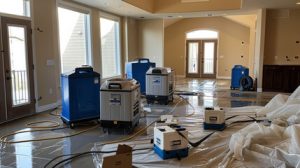
Following significant water damage, professional restoration services often play an important role in returning a property to its pre-loss condition. These specialists utilize advanced equipment to remove water, dry affected materials, monitor moisture levels, and prevent secondary damage.

Professional restoration can be particularly important because moisture hidden behind walls, under flooring, or within structural components may not be visible to the property owner. If moisture remains trapped, mold growth and long-term deterioration can occur even after surfaces appear dry.

Working with qualified restoration professionals can help ensure that damage is addressed thoroughly and that the property is restored safely and effectively.

Conclusion

Water damage can be one of the most disruptive and expensive challenges a property owner faces. Whether caused by plumbing failures, appliance malfunctions, roof leaks, or unexpected accidents, water intrusion has the potential to affect nearly every part of a property. While insurance coverage can provide valuable financial protection, understanding how water damage claims work is essential for achieving the best possible outcome.

Property owners who understand their policies, act quickly after an incident, document damage thoroughly, and maintain accurate records are often better positioned during the claims process. Equally important is taking preventive measures to reduce the risk of future water-related losses. By combining proactive maintenance with a clear understanding of insurance coverage, property owners can better protect their investments and navigate water damage claims with greater confidence and peace of mind.