Why Are Custom Metal Gates a Smart Investment for Any Property?

The entrance to a property creates the first impression visitors receive while also serving as an important layer of security and privacy. A well-designed gate should not only control access but also complement the property’s architectural style and enhance its overall appearance. While standard gate designs can meet basic needs, custom metal gates offer greater flexibility by allowing property owners to create an entrance tailored to their preferences and functional requirements. Whether installed at the front entrance, driveway, garden, or commercial property, Custom Metal Gates combine durability, security, and visual appeal in a single solution. Understanding the benefits of custom metal gates helps homeowners and business owners make informed decisions when planning exterior improvements.

What Are Custom Metal Gates?
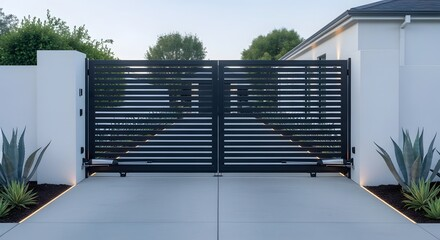
Custom Metal Gates

Custom metal gates are specially fabricated entrance systems designed to match the exact dimensions, style, and functional requirements of a property. Unlike mass-produced gates that are manufactured in standard sizes, custom gates are built according to specific measurements and design preferences. This allows property owners to choose everything from the overall shape and decorative elements to the type of metal, finish, and operating system. Every component is carefully planned to create a gate that fits seamlessly within the property’s layout. Custom fabrication provides both flexibility and precision throughout the design process.

Because every property has different architectural characteristics, custom gates can be adapted to complement nearly any style. Modern homes often feature clean horizontal lines and minimalist designs, while traditional properties may incorporate decorative scrollwork, ornamental details, or classic patterns. Commercial buildings may prioritize strength and controlled access without sacrificing professional appearance. The ability to personalize every detail allows custom metal gates to become an architectural feature rather than simply a functional barrier. Each design reflects the unique character of the property it protects.

Why Choose a Custom Metal Gate Instead of a Standard Gate?

One of the greatest advantages of a custom metal gate is its ability to provide a perfect fit. Properties with unique driveway widths, sloped entrances, unusual layouts, or specialized access requirements often cannot accommodate standard gate sizes without modifications. Custom fabrication eliminates these limitations by creating a gate designed specifically for the available space. Accurate measurements help ensure smooth operation while improving the overall appearance of the installation. A properly fitted gate performs more efficiently and enhances the property’s curb appeal.

Custom gates also offer greater creative freedom than prefabricated options. Property owners can select decorative features, colors, finishes, panel styles, and architectural details that reflect their personal taste. Whether the desired appearance is contemporary, industrial, rustic, or elegant, custom fabrication makes it possible to create a gate that complements surrounding fencing, landscaping, and exterior finishes. Personalization allows the entrance to become a distinctive feature of the property. A unique design often adds lasting visual value.

What Materials Are Commonly Used for Custom Metal Gates?

Steel remains one of the most popular materials for custom metal gates because of its exceptional strength and long-lasting durability. Steel gates can support large openings while maintaining structural stability, making them suitable for residential driveways, commercial entrances, and security applications. Their strength allows intricate decorative designs without compromising performance. Protective finishes further improve resistance to weather and everyday wear. Properly fabricated steel gates can provide reliable service for many years.

Aluminum is another commonly selected material because it offers excellent corrosion resistance while being significantly lighter than steel. Its reduced weight can contribute to smoother gate operation, especially for automated systems. Wrought iron is often chosen for decorative projects that emphasize traditional craftsmanship and elegant detailing. Each material offers unique benefits depending on the property’s design goals, maintenance preferences, and functional requirements. Selecting the right material helps maximize both performance and appearance.

How Do Custom Metal Gates Improve Security and Privacy?

Security is one of the primary reasons many property owners invest in custom metal gates. A professionally fabricated gate creates a clearly defined entrance that helps control access while discouraging unauthorized entry. Strong construction and durable materials provide dependable protection for homes, businesses, and private properties. Gates can also be designed to accommodate modern access systems that improve convenience without compromising security. Controlled access provides greater peace of mind for property owners.

Privacy is another important consideration during gate design. Depending on the selected style, custom gates can incorporate closely spaced pickets, decorative panels, or solid metal sections that reduce visibility into the property. This added privacy creates more comfortable outdoor living spaces while maintaining an attractive exterior appearance. Thoughtful design allows property owners to balance openness with seclusion according to their individual preferences. A custom solution provides greater flexibility than many standard gate designs.

What Design Options Are Available for Custom Metal Gates?

Modern custom gates often feature clean lines, simple geometric patterns, and minimalist styling that complements contemporary architecture. Horizontal slats, smooth panels, and understated finishes create an elegant appearance while maintaining excellent functionality. These designs work particularly well with modern homes, commercial buildings, and properties that emphasize simplicity. Minimalist gates create a sophisticated entrance without overwhelming the surrounding landscape. Their timeless appearance remains attractive for years.

Traditional and decorative gate designs continue to be popular for properties seeking a more classic appearance. Curved tops, ornamental scrollwork, decorative finials, and handcrafted details create entrances with distinctive character and elegance. Many custom gates also combine metal with materials such as wood or stone to create additional visual interest. These combinations allow homeowners to achieve highly personalized results that complement the property’s architectural style. Every design can be tailored to match individual preferences.

What Should Property Owners Consider Before Installing a Custom Metal Gate?

Planning is one of the most important steps in designing a custom gate. Property owners should evaluate the size of the entrance, traffic patterns, available space for gate movement, desired level of privacy, and overall architectural style before finalizing the design. Careful planning helps ensure the finished gate functions efficiently while complementing the surrounding landscape and building. Every successful installation begins with a well-developed design strategy. Clear project goals simplify the decision-making process.

Long-term maintenance should also be considered when selecting materials and finishes. Protective coatings help preserve the appearance of metal while improving resistance to moisture, sunlight, and environmental exposure. Choosing quality finishes reduces future maintenance while extending the gate’s lifespan. Routine inspections and occasional cleaning help maintain smooth operation and attractive appearance over time. Proper care protects both the investment and the property’s overall curb appeal.

How Can Custom Metal Gates Increase Property Value?

A professionally fabricated custom gate often becomes one of the property’s most noticeable architectural features. Attractive entrances create strong first impressions while enhancing the overall appearance of the landscape and exterior design. Buyers frequently appreciate improvements that combine beauty with practical benefits such as security and durability. A custom gate demonstrates thoughtful planning and quality craftsmanship that can positively influence perceived property value. Curb appeal often begins at the entrance.

Beyond appearance, custom gates contribute lasting value through their durability and functionality. High-quality materials, professional fabrication, and careful installation create a gate system that continues performing reliably for many years with relatively little maintenance. Property owners benefit from improved security, greater privacy, and enhanced convenience while enjoying an attractive architectural feature every day. Long-term performance makes custom metal gates a worthwhile investment for both current enjoyment and future resale potential.

Final Thoughts

Custom metal gates offer an outstanding combination of security, durability, functionality, and architectural style for residential and commercial properties. By allowing property owners to personalize every aspect of the design, custom fabrication creates entrances that fit perfectly while complementing the surrounding architecture. Whether choosing modern minimalist designs, elegant ornamental details, or mixed-material combinations, custom metal gates provide lasting value through dependable performance and timeless curb appeal. With thoughtful planning, quality materials, professional fabrication, and proper maintenance, a custom metal gate becomes a long-lasting investment that enhances both the beauty and security of any property.

How Long Are Mold Inspection Reports Valid?

Mold Inspection Salt Lake City plays a crucial role in maintaining healthy indoor environments and protecting properties from moisture-related damage. Whether a property owner is buying a home, selling a building, addressing water damage, or investigating potential indoor air quality concerns, a mold inspection report can provide valuable insights into the condition of the property at a specific point in time. However, one question often arises after the inspection is complete: How long are mold inspection reports valid?

The answer is not always straightforward. Unlike certain licenses, certifications, or permits that come with clearly defined expiration dates, mold inspection reports do not usually have a universal validity period. Instead, their usefulness and reliability depend on several factors, including changes in environmental conditions, property maintenance, water intrusion events, renovations, and the purpose for which the report is being used.

mold inspection

Understanding how mold inspection reports work, what affects their validity, and when a new inspection may be necessary can help property owners make informed decisions. This guide explores the lifespan of mold inspection reports, factors that influence their accuracy over time, and best practices for ensuring the information remains relevant.

What Is a Mold Inspection Report?

A mold inspection report is a professional document that summarizes the findings of a mold assessment conducted on a property. The report typically includes observations about visible mold growth, moisture conditions, air quality testing results, laboratory analyses, photographs, and recommendations for remediation or further investigation.

The purpose of a mold inspection report is to provide a snapshot of a property’s environmental condition at the time of the inspection. It helps property owners, buyers, sellers, insurance representatives, contractors, and property managers understand whether mold is present and what actions may be necessary to address it.

Because mold growth is influenced by constantly changing environmental factors, the report reflects conditions that existed on the inspection date rather than guaranteeing future conditions.

Why Mold Inspection Reports Do Not Have a Fixed Expiration Date

One of the most common misconceptions about mold inspection reports is that they remain permanently valid. In reality, mold conditions can change rapidly, making a report less reliable as time passes.

Unlike structural blueprints or property deeds, mold inspection reports are based on environmental conditions that may evolve significantly over weeks, months, or years. Moisture levels, ventilation patterns, water leaks, humidity fluctuations, and building modifications can all influence mold development.

As a result, most professionals view mold inspection reports as time-sensitive documents. While they remain valuable records of past conditions, their ability to accurately represent current conditions diminishes over time.

For this reason, many property transactions, insurance evaluations, and remediation projects require relatively recent mold inspection reports rather than reports that are several years old.

The Importance of Timing

The validity of a mold inspection report is closely tied to the amount of time that has passed since the inspection was performed. Generally speaking, the newer the report, the more accurately it reflects the property’s current condition.

A report completed within the past few weeks may provide a reliable representation of existing mold conditions, assuming no significant changes have occurred within the property. However, as months pass, the likelihood of environmental changes increases.

Several factors contribute to the changing nature of mold conditions:

  1. Seasonal humidity fluctuations.
  2. Water leaks and plumbing failures.
  3. Roof damage and moisture intrusion.
  4. Changes in ventilation systems.
  5. Remodeling and construction projects.
  6. Flooding or storm-related water damage.

Because these events can occur unexpectedly, even a relatively recent report may become outdated if conditions change substantially.

Factors That Affect the Validity of Mold Inspection Reports

There is no universal rule that determines how long a mold inspection report remains useful. Instead, several factors influence its reliability and relevance over time.

Environmental Conditions

Mold growth is directly linked to moisture. If environmental conditions remain stable and no new water intrusion occurs, a mold inspection report may remain relevant for an extended period.

However, environments with fluctuating humidity levels or recurring moisture problems can experience significant changes in mold conditions within a short timeframe. In such situations, an older report may no longer accurately reflect the property’s condition.

Water Damage Events

One of the most significant factors affecting report validity is water damage. Even a minor plumbing leak can create favorable conditions for mold growth within a matter of days.

If a property experiences any of the following after an inspection, a new assessment may be necessary:

  1. Pipe leaks.
  2. Appliance failures.
  3. Roof leaks.
  4. Flooding.
  5. Sewage backups.
  6. Condensation-related moisture problems.

Water intrusion can dramatically alter indoor environmental conditions and render previous inspection findings outdated.

Renovations and Remodeling

Construction activities can influence mold conditions in several ways. Renovations may uncover previously hidden mold, alter airflow patterns, or introduce moisture into building materials.

Major remodeling projects often change the physical structure of a property, making older inspection reports less reliable. New building materials, wall removals, flooring replacements, and HVAC modifications can all affect mold development.

When significant renovations occur after an inspection, obtaining an updated assessment is often advisable.

How Long Do Real Estate Professionals Consider Reports Relevant?

In real estate transactions, mold inspection reports are often viewed as highly time-sensitive documents. Buyers and lenders generally prefer reports that reflect recent conditions rather than assessments completed many months or years earlier.

The reason is simple: mold conditions can change quickly. A report showing no mold issues six months ago does not necessarily guarantee that mold is absent today.

Many professionals involved in property transactions consider reports most valuable when they have been completed within a relatively recent timeframe. If a report is older, additional inspections may be recommended before finalizing a sale.

This helps protect all parties by ensuring that decisions are based on current information rather than outdated environmental data.

The Role of Mold Remediation in Report Validity

When mold remediation is performed after an inspection, the original report continues to serve as an important historical record. However, it no longer represents the property’s post-remediation condition.

Following remediation, many property owners choose to obtain a follow-up inspection or clearance assessment. This additional evaluation verifies that remediation efforts were successful and that mold levels have returned to acceptable conditions.

In these situations, the original report documents the initial problem, while the post-remediation report confirms the effectiveness of corrective actions.

Together, these documents provide a complete picture of the property’s mold-related history.

Situations That May Require a New Mold Inspection

Even if an existing report appears recent, certain circumstances may justify obtaining a new inspection.

Examples include:

  1. Discovery of new water damage.
  2. Unexplained musty odors.
  3. Visible mold growth.
  4. Indoor air quality complaints.
  5. Property renovations.
  6. Health concerns among occupants.

Any of these developments may indicate that conditions have changed since the previous inspection.

A new assessment provides updated information and helps identify any emerging issues before they become more extensive and costly to address.

Why Older Mold Inspection Reports Still Have Value

Although mold inspection reports become less reliable as indicators of current conditions, older reports still offer significant value. They provide historical documentation that can help property owners understand past issues and track changes over time.

Historical reports may reveal patterns such as recurring moisture problems, previously affected areas, or prior remediation efforts. This information can be useful when diagnosing ongoing issues or evaluating the effectiveness of past repairs.

Older reports can also support insurance claims, maintenance planning, and future inspections by providing context about the property’s environmental history.

In this sense, a mold inspection report never completely loses its value—it simply transitions from being a current assessment to a historical record.

How to Keep Mold Inspection Information Relevant

Property owners who want to maximize the usefulness of mold inspection reports should take proactive steps to maintain healthy indoor conditions and document any significant changes.

Helpful practices include:

  1. Address water leaks immediately.
  2. Monitor indoor humidity levels.
  3. Maintain proper ventilation.
  4. Keep records of repairs and renovations.
  5. Schedule periodic inspections when necessary.
  6. Document any mold remediation activities.

These efforts help create a comprehensive record of the property’s condition and make it easier to determine when updated assessments are needed.

The Cost of Relying on an Outdated Report

Using an outdated mold inspection report as the sole basis for decision-making can create risks. Mold growth can develop unnoticed, particularly in hidden areas such as wall cavities, crawl spaces, attics, and beneath flooring materials.

An old report may fail to identify:

  1. New moisture intrusion.
  2. Recent mold growth.
  3. Structural damage caused by water.
  4. Changes in indoor air quality.
  5. Emerging health concerns for occupants.

The cost of overlooking these issues can be substantial. Early detection remains one of the most effective ways to minimize remediation expenses and protect property value.

For this reason, relying exclusively on an older report without considering current conditions is rarely advisable.

Signs It Is Time for a New Inspection

Rather than focusing solely on the age of a report, property owners should pay attention to warning signs that suggest conditions may have changed.

Common indicators include:

  1. Persistent musty odors.
  2. Water stains on walls or ceilings.
  3. Increased humidity levels.
  4. Visible mold growth.
  5. Recent flooding or leaks.
  6. Unexplained respiratory discomfort among occupants.

If any of these signs are present, scheduling a new inspection can provide valuable peace of mind and help prevent further damage.

So, how long are mold inspection reports valid? The answer depends largely on the property’s condition and whether any significant environmental changes have occurred since the inspection. While mold inspection reports do not typically have a fixed expiration date, they are best viewed as snapshots of conditions at a specific moment in time.

Factors such as water damage, humidity fluctuations, renovations, and maintenance practices can quickly alter mold conditions, reducing the report’s relevance as time passes. For this reason, recent reports are generally considered more reliable when evaluating current mold risks.

That said, older mold inspection reports remain valuable as historical records that document past conditions and remediation efforts. Property owners should retain these reports while remaining aware that changing circumstances may warrant updated assessments.

Ultimately, the best approach is to treat mold inspection reports as living tools rather than permanent guarantees. By monitoring property conditions, addressing moisture issues promptly, and obtaining new inspections when necessary, property owners can maintain healthier indoor environments and protect the long-term value of their investments.