Car window tinting has become one of the most popular vehicle upgrades for drivers seeking enhanced comfort, privacy, and protection. While many people initially choose window tinting for its sleek appearance, the benefits extend far beyond aesthetics. Professionally installed window tint can improve driving comfort, reduce interior heat buildup, protect vehicle surfaces from sun damage, and increase privacy for both drivers and passengers. As vehicle owners continue to look for ways to preserve the condition of their automobiles while improving the overall driving experience, car window tinting remains a practical and valuable investment.
One of the primary reasons drivers choose car window tinting is heat reduction. Vehicles exposed to direct sunlight can quickly become uncomfortable, especially during warmer months. Excessive heat not only affects passenger comfort but also places additional strain on air conditioning systems. Window tinting helps reduce solar heat penetration by limiting the amount of sunlight that enters through the glass. As a result, vehicle interiors remain cooler and more comfortable, even after extended periods of sun exposure. This improvement can enhance daily driving experiences while potentially reducing fuel consumption associated with heavy air conditioning use.
In addition to improving comfort, car window tinting plays an important role in protecting vehicle interiors. Continuous exposure to ultraviolet rays can cause fading, cracking, and deterioration of upholstery, dashboards, door panels, and other interior components. Over time, sun damage can significantly reduce the appearance and value of a vehicle. Window tint acts as a protective barrier that helps minimize UV exposure, preserving interior materials and maintaining a cleaner, newer appearance. This added protection can contribute to higher resale value and reduce the need for costly interior repairs or replacements.
Privacy is another major advantage associated with car window tinting. Many vehicle owners appreciate the increased discretion that tinted windows provide. Passengers often feel more comfortable when outsiders cannot easily view the interior of the vehicle. Additionally, privacy can help protect personal belongings by reducing visibility from outside the car. While tinting should never be considered a substitute for proper vehicle security measures, it can act as an additional deterrent by making it more difficult for opportunistic individuals to see valuable items left inside the vehicle.
Safety benefits are often overlooked when discussing car window tinting, but they are equally important. High-quality window films can help strengthen glass by holding shattered fragments together if a window breaks due to an accident or impact. Instead of scattering throughout the vehicle, broken glass may remain partially attached to the film, reducing the risk of injury to occupants. This added layer of protection can provide valuable peace of mind for drivers and passengers alike.
Several key benefits make car window tinting a popular vehicle enhancement:
- Reduced interior heat buildup during sunny conditions.
- Protection against harmful ultraviolet radiation.
- Increased privacy for drivers and passengers.
- Improved appearance and vehicle aesthetics.
- Enhanced safety through glass reinforcement.
These advantages contribute to both the short-term enjoyment and long-term preservation of a vehicle.
The appearance of a vehicle is another reason many owners invest in professional window tinting. Tinted windows often create a refined and cohesive look that complements the overall design of the automobile. Whether paired with a modern vehicle or an older model, professionally applied tint can elevate visual appeal without requiring extensive modifications. Because appearance plays a significant role in vehicle ownership satisfaction, window tinting remains one of the most cost-effective ways to enhance a car’s exterior presentation.
Choosing the appropriate window tint requires careful consideration of several factors. Different tint levels provide varying degrees of light reduction, privacy, and heat rejection. Vehicle owners should evaluate their priorities, local regulations, driving habits, and desired appearance before selecting a particular tint option. Professional installers can help determine which solution best aligns with the driver’s needs while ensuring proper application and long-term performance. Selecting the right tint helps maximize benefits while maintaining visibility and safety.
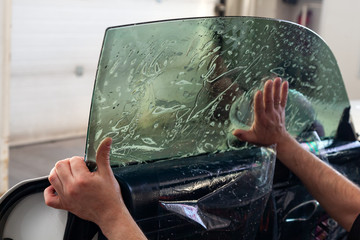
Quality installation is critical to achieving optimal results. Even the highest-quality window film may fail to perform effectively if it is improperly installed. Professional installers use specialized tools and techniques to ensure smooth application, proper alignment, and long-lasting adhesion. Poor installation can result in bubbles, peeling, discoloration, or reduced effectiveness over time. Investing in professional workmanship helps ensure that the tint remains attractive and functional throughout its lifespan.
Modern window tint technology has advanced considerably in recent years. Today’s premium films offer superior heat rejection, improved durability, and enhanced optical clarity compared to older tinting products. Advanced materials allow drivers to enjoy significant solar protection without excessively darkening the windows. These innovations have expanded the range of options available to vehicle owners, making it easier to find solutions that balance comfort, appearance, and visibility.
When evaluating window tint options, vehicle owners often consider several important factors:
- Heat rejection capabilities.
- Ultraviolet protection levels.
- Optical clarity and visibility.
- Durability and longevity.
- Maintenance requirements.
Understanding these considerations can help drivers make informed decisions and maximize the value of their investment.
Maintaining tinted windows is generally straightforward, but proper care is important for preserving appearance and performance. Newly installed tint should be allowed sufficient time to cure before cleaning. Once fully cured, routine cleaning with appropriate products can help maintain clarity and prevent damage to the film. Avoiding abrasive materials and harsh chemicals reduces the risk of scratches or discoloration. Consistent maintenance ensures that tinted windows continue to provide protection and visual appeal for many years.
Car window tinting can also contribute to a more enjoyable driving experience by reducing glare from sunlight and bright reflections. Excessive glare can cause eye strain and reduce visibility during certain driving conditions. By filtering incoming light, window tint helps create a more comfortable visual environment for drivers. Improved visibility and reduced eye fatigue can enhance concentration and make long drives more pleasant.
As vehicle owners increasingly prioritize comfort, efficiency, and preservation, car window tinting continues to offer practical advantages that extend well beyond aesthetics. The combination of heat reduction, UV protection, privacy enhancement, safety benefits, and improved appearance makes window tinting one of the most versatile automotive upgrades available. Whether the goal is protecting a vehicle’s interior, increasing passenger comfort, or enhancing overall style, professionally installed window tint provides a solution that delivers lasting value.
In conclusion, car window tinting represents a smart investment for vehicle owners seeking greater comfort, protection, and visual appeal. By reducing heat, blocking harmful UV rays, increasing privacy, and contributing to safer driving conditions, quality window tint offers benefits that can be appreciated every day. With proper installation and maintenance, window tinting can help preserve both the condition and value of a vehicle while creating a more enjoyable driving experience for years to come.