Water damage is one of the most common and costly issues that property owners face. Whether caused by a burst pipe, appliance malfunction, roof leak, plumbing failure, or severe weather event, water intrusion can quickly lead to extensive damage throughout a property. Floors, walls, ceilings, furniture, personal belongings, and even structural components can be affected within a matter of hours. Beyond the immediate destruction, prolonged moisture exposure can create conditions that encourage mold growth and further deterioration, significantly increasing restoration costs. Check out https://www.allproutah.com/ to know more.
For many property owners, insurance coverage serves as an important financial safety net when unexpected water damage occurs. However, understanding how insurance policies handle water damage claims is not always straightforward. Coverage can vary depending on the cause of the damage, policy terms, exclusions, and the actions taken by the property owner before and after the incident. As a result, many individuals discover that navigating the claims process can be almost as challenging as dealing with the damage itself.
Understanding how water damage claims work can help property owners protect their investments, avoid costly mistakes, and improve their chances of receiving fair compensation. By knowing what insurance policies typically cover, what they often exclude, and how to properly document a loss, property owners can approach the claims process with greater confidence and clarity.
Why Water Damage Claims Are So Common
Water is essential to modern properties, but it can also be one of the most destructive forces when it escapes its intended pathways. Plumbing systems, appliances, roofs, drainage systems, and heating equipment all have the potential to fail unexpectedly. Even a relatively small leak can cause substantial damage if it goes unnoticed for an extended period.
Water damage claims are common because water spreads quickly and affects multiple building materials at once. Drywall absorbs moisture, wood can swell and warp, flooring may become damaged, and electrical systems can be compromised. The longer the water remains present, the more extensive the damage becomes. This rapid progression often leads property owners to seek insurance assistance to offset repair and restoration expenses.
In addition to sudden incidents, changing weather patterns and aging infrastructure can increase the likelihood of water-related losses. Older properties may be particularly vulnerable due to deteriorating pipes, worn roofing materials, or outdated drainage systems that struggle to handle excess moisture effectively.
Understanding the Difference Between Covered and Non-Covered Water Damage
One of the most important concepts for property owners to understand is that not all water damage is treated equally under insurance policies. Coverage generally depends on the source of the water and whether the damage occurred suddenly or developed gradually over time.
In many cases, insurance policies are designed to cover sudden and accidental water damage events. For example, a pipe that unexpectedly bursts and floods a room may qualify for coverage because the event was unforeseen and immediate. Similarly, an appliance malfunction that causes sudden water leakage may also be considered a covered loss.
However, gradual damage is often treated differently. If a slow leak has been occurring for months or years due to neglect, lack of maintenance, or unresolved issues, coverage may be limited or denied altogether. Insurance providers frequently view ongoing deterioration as a maintenance issue rather than an unexpected event.
Property owners should carefully review their policies to understand how different water-related scenarios are addressed. Knowing the distinction between sudden accidents and long-term maintenance problems can help prevent misunderstandings during the claims process.
Common Sources of Water Damage Claims
Water damage can originate from numerous sources, and each situation may be evaluated differently when a claim is filed.
Some of the most common causes include:
- Burst or frozen pipes that release large volumes of water into a property.
- Appliance failures involving washing machines, dishwashers, water heaters, or refrigerators.
- Roof leaks resulting from damaged roofing materials or severe weather conditions.
- Overflowing sinks, bathtubs, or plumbing fixtures.
- Drainage system failures that allow water to enter interior spaces.
- Storm-related water intrusion affecting walls, windows, or roofing components.
While these situations often lead to insurance claims, the exact outcome depends on policy language, circumstances surrounding the event, and evidence demonstrating the cause of the damage.
The Importance of Acting Quickly
When water damage occurs, time becomes one of the most critical factors in minimizing losses and protecting insurance coverage. Delaying cleanup efforts can allow water to spread further and increase restoration expenses. Insurance providers generally expect property owners to take reasonable steps to prevent additional damage after discovering a problem.
Immediate action may include shutting off the water source, removing standing water, protecting unaffected belongings, and arranging professional drying services when necessary. These efforts demonstrate responsible property management and can support a claim by showing that the owner attempted to limit further damage.
Prompt action also helps preserve evidence. Water damage conditions can change rapidly as drying begins, making it more difficult to document the extent of the original loss if too much time passes before records are created.
Documenting Water Damage Properly
Thorough documentation is one of the most valuable tools available to property owners during the insurance claims process. Accurate records can help establish the extent of damage, support repair estimates, and reduce disputes regarding compensation.
Effective documentation typically includes:
- Taking photographs and videos from multiple angles before cleanup begins.
- Creating a detailed inventory of damaged items.
- Saving receipts for emergency repairs and mitigation services.
- Recording the date and time the damage was discovered.
- Keeping copies of communications related to the claim.
The more comprehensive the documentation, the easier it becomes to demonstrate the scope of the loss. Detailed records can be particularly important when damage affects personal property, furniture, electronics, or valuable belongings.
What Happens During the Claims Process
Once a claim is reported, the insurance provider typically begins an investigation to determine the cause and extent of the damage. This process may involve reviewing documentation, inspecting the property, and evaluating repair estimates.
An adjuster is often assigned to assess the situation and determine whether the damage falls within the scope of the policy’s coverage. The adjuster may inspect affected areas, review photographs, ask questions about the incident, and evaluate any emergency mitigation measures that were taken.
The claims process can vary in length depending on the complexity of the loss. Simple claims may be resolved relatively quickly, while larger losses involving structural repairs or extensive restoration may require additional evaluations and negotiations.
Maintaining organized records throughout the process can help facilitate communication and ensure important details are readily available when requested.
Challenges Property Owners May Encounter
Although insurance is intended to provide financial protection, water damage claims can sometimes become complicated. Property owners may encounter challenges related to coverage interpretations, repair estimates, depreciation calculations, or disagreements regarding the source of damage.
Common issues include:
- Questions about whether the damage resulted from a sudden event or long-term neglect.
- Disputes regarding the cost of repairs.
- Delays caused by incomplete documentation.
- Differences of opinion concerning the extent of covered losses.
- Exclusions that limit certain types of water-related damage.
Understanding policy language before an emergency occurs can help property owners avoid surprises and better prepare for potential claim discussions.
Preventing Water Damage Before It Happens
While insurance can provide financial assistance after a loss, prevention remains the most effective strategy. Proactive maintenance can significantly reduce the likelihood of water-related incidents and minimize disruption to daily life.
Property owners can lower their risk by regularly inspecting plumbing systems, monitoring appliances, cleaning drainage systems, and addressing minor leaks promptly. Roof inspections and routine maintenance can also help identify potential vulnerabilities before they lead to costly damage.
Preventive measures often cost far less than major restoration projects. Even small investments in maintenance can provide substantial long-term savings while reducing the likelihood of insurance claims.
Reviewing Insurance Coverage Regularly
Insurance needs can change over time as properties age, renovations are completed, and values increase. Periodically reviewing coverage helps ensure that policies remain aligned with current conditions and potential risks.
Property owners should pay close attention to policy limits, deductibles, exclusions, and endorsements related to water damage. Understanding these details before an incident occurs allows for more informed decision-making and realistic expectations during the claims process.
Regular policy reviews can also reveal opportunities to strengthen coverage or address gaps that may leave a property vulnerable to significant out-of-pocket expenses.
The Role of Professional Restoration Services
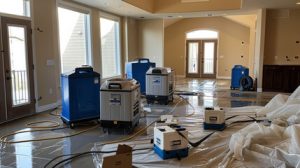
Following significant water damage, professional restoration services often play an important role in returning a property to its pre-loss condition. These specialists utilize advanced equipment to remove water, dry affected materials, monitor moisture levels, and prevent secondary damage.
Professional restoration can be particularly important because moisture hidden behind walls, under flooring, or within structural components may not be visible to the property owner. If moisture remains trapped, mold growth and long-term deterioration can occur even after surfaces appear dry.
Working with qualified restoration professionals can help ensure that damage is addressed thoroughly and that the property is restored safely and effectively.
Conclusion
Water damage can be one of the most disruptive and expensive challenges a property owner faces. Whether caused by plumbing failures, appliance malfunctions, roof leaks, or unexpected accidents, water intrusion has the potential to affect nearly every part of a property. While insurance coverage can provide valuable financial protection, understanding how water damage claims work is essential for achieving the best possible outcome.
Property owners who understand their policies, act quickly after an incident, document damage thoroughly, and maintain accurate records are often better positioned during the claims process. Equally important is taking preventive measures to reduce the risk of future water-related losses. By combining proactive maintenance with a clear understanding of insurance coverage, property owners can better protect their investments and navigate water damage claims with greater confidence and peace of mind.