Water damage can strike without warning. A burst pipe in the middle of the night, a leaking appliance hose, a roof compromised by heavy rain, or an overflowing drain can quickly turn a stable property into a restoration project. Beyond the immediate cleanup and repairs, property owners often face another daunting task: navigating the insurance and water damage claims process. Understanding how coverage works, what documentation is required, and how to communicate effectively with insurers can make a significant difference in the outcome of a claim.
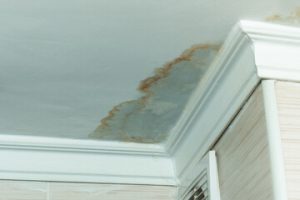
Filing a water damage insurance claim is not simply about reporting a problem and waiting for reimbursement. It involves detailed documentation, policy interpretation, inspections, and coordination with restoration professionals. When handled correctly, the claims process can help property owners recover financially and restore their property efficiently. When handled poorly, it can lead to delays, reduced payouts, or even claim denials. Check out https://www.allproutah.com/ for more details.
Understanding Water Damage Coverage
The first and most important step in handling a water damage insurance claim is understanding what your policy actually covers. Not all water damage scenarios are treated equally under standard property insurance policies. Coverage typically depends on the cause of the damage and whether it was sudden and accidental or gradual and preventable.
Generally, most property insurance policies cover sudden and accidental water damage, such as:
- Burst pipes
- Sudden appliance failures
- Accidental overflows
- Storm-related roof leaks
However, gradual damage caused by long-term neglect, maintenance issues, or slow leaks may not be covered. Insurance providers often classify these as preventable problems rather than unforeseen events.
It’s critical to review your policy carefully to understand coverage limits, exclusions, and deductibles. Some policies may also require additional endorsements for certain types of water-related incidents, such as sewer backups or flooding caused by natural disasters.
The Difference Between Water Damage and Flood Damage
One area that often confuses is the distinction between water damage and flood damage. Standard property insurance policies typically cover internal water damage caused by plumbing or structural issues, but they may not cover flooding caused by rising groundwater or natural events.
Flood damage often requires a separate flood insurance policy. Without this additional coverage, property owners may find themselves responsible for repair costs resulting from external flooding events.
Understanding this distinction before disaster strikes can prevent unpleasant surprises during the claims process. Proactive policy review ensures that property owners have the appropriate coverage in place.
Steps to Take Immediately After Water Damage
When water damage occurs, taking prompt and organized action is essential—not only for minimizing structural damage but also for strengthening your insurance claim.
Here are critical steps property owners should follow:
- Stop the Source of Water
If possible, shut off the main water supply or address the immediate cause of the leak. Mitigating further damage demonstrates responsibility and may be required by your insurance policy. - Document Everything Thoroughly
Take detailed photos and videos of the damage before beginning cleanup. Capture affected walls, floors, ceilings, furniture, and personal belongings. - Contact Your Insurance Provider Promptly
Reporting the incident quickly initiates the claims process and allows adjusters to schedule inspections. - Begin Mitigation Efforts
Prevent further damage by removing standing water and protecting unaffected areas. However, avoid discarding damaged items until the adjuster has reviewed them unless necessary for safety.
Prompt action not only limits the scope of restoration but also demonstrates compliance with policy requirements.
The Role of the Insurance Adjuster
After a claim is filed, the insurance company assigns an adjuster to inspect the property and assess the damage. The adjuster evaluates the extent of water damage, determines the cause, and estimates repair costs based on policy coverage.
During this stage, clear communication is vital. Property owners should provide documentation, photographs, repair estimates, and receipts for emergency services. Being organized and transparent helps prevent misunderstandings and delays.
It’s also beneficial to work with reputable water damage restoration professionals who can provide detailed assessments and cost breakdowns. Their documentation supports the claim and ensures accurate representation of repair needs.
Common Challenges in Water Damage Claims
While many claims proceed smoothly, others encounter challenges that delay resolution or reduce payouts. Understanding potential obstacles can help property owners prepare and respond effectively.
Some common challenges include:
- Disputed Cause of Damage
Insurers may question whether the damage was sudden and accidental or the result of long-term neglect. Clear documentation and maintenance records can help support your case. - Incomplete Documentation
Missing photographs, receipts, or inspection reports can weaken a claim. Thorough record-keeping strengthens credibility. - Policy Exclusions
Certain types of water damage may be excluded under the policy. Understanding these exclusions in advance is critical. - Underestimated Repair Costs
Initial estimates may not fully reflect the scope of hidden moisture or structural damage. Professional restoration assessments can help clarify actual repair needs.
Proactively addressing these issues improves the likelihood of a fair settlement.
The Importance of Professional Water Damage Restoration
Insurance companies often recommend or approve professional water damage restoration services. These professionals use specialized equipment to extract water, dry affected areas, and prevent mold growth. Their involvement not only speeds up recovery but also provides detailed documentation of damage and mitigation efforts.
Professional restoration services typically include:
- Moisture detection and thermal imaging
- Industrial-grade water extraction
- Dehumidification and structural drying
- Mold prevention and remediation
- Repair and reconstruction
Working with certified restoration specialists ensures that damage is properly addressed and documented, supporting both structural integrity and insurance claim accuracy.
Keeping Accurate Records
Thorough record-keeping is one of the most effective ways to protect yourself during the claims process. Maintaining organized documentation helps streamline communication with your insurer and prevents disputes.
Property owners should keep:
- Copies of insurance policies and endorsements
- Maintenance records
- Photos and videos of pre-loss property condition (if available)
- Receipts for repairs and emergency services
- Communication logs with insurance representatives
This documentation demonstrates responsible property maintenance and provides evidence if questions arise about coverage eligibility.
Understanding Deductibles and Coverage Limits
Insurance policies include deductibles—the amount property owners must pay before coverage applies. It’s important to understand how deductibles affect claim payouts. In some cases, minor water damage may not exceed the deductible, making it more practical to cover repairs out of pocket.
Coverage limits also determine how much the insurance company will pay for specific types of damage. For example, personal property coverage may have limits that differ from structural repair coverage. Reviewing these limits helps property owners set realistic expectations.
Knowing your deductible and coverage limits in advance allows for better financial planning during emergencies.
Preventing Future Water Damage Claims
While insurance provides financial protection, preventing water damage in the first place is always the best strategy. Frequent claims can impact insurance premiums and insurability over time.
Property owners can reduce the likelihood of future claims by:
- Conducting Regular Plumbing Inspections
Replace aging hoses and repair leaks promptly. - Maintaining Roof and Gutter Systems
Ensure proper drainage away from the foundation. - Installing Leak Detection Devices
Modern technology can alert property owners to abnormal water flow. - Monitoring Indoor Humidity Levels
Controlling moisture reduces mold risk and long-term deterioration.
Proactive maintenance not only protects property value but also reduces reliance on insurance claims.
Navigating the Emotional and Financial Impact
Water damage can be emotionally taxing. Beyond the structural repairs, property owners often face temporary displacement, business interruptions, or loss of personal belongings. Understanding the insurance process helps reduce uncertainty and anxiety during this challenging time.
Clear communication with insurers, timely documentation, and collaboration with restoration professionals create a smoother recovery experience. Taking a structured and informed approach empowers property owners to regain control.
Being Prepared Makes All the Difference
Insurance and water damage claims can feel overwhelming, but preparation and knowledge make the process far more manageable. Understanding your policy, documenting damage thoroughly, and working with qualified restoration professionals are essential steps toward a successful claim.
While insurance provides financial support, it does not replace the importance of proactive maintenance and prevention. By staying informed about coverage details, deductibles, and policy limitations, property owners can protect both their investment and their peace of mind.
Water damage may be unpredictable, but with the right strategy, the path to recovery doesn’t have to be. When property owners understand the claims process and take decisive action, they position themselves for a smoother restoration journey and stronger long-term protection.