How Long Are Mold Inspection Reports Valid?

Mold lab reports and inspections are confusing and tough to understand. They can also be misleading.

A good Mold Inspection Salt Lake City report follows InterNACHI’s standards of practice and helps clients more by adding lab results, clear notes from the inspection, pictures, and a description of what to do next. Clients ask up to 40% less questions this way.

Decoding Your Report
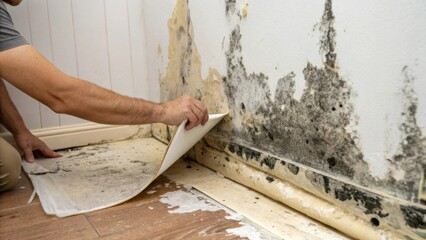
Mold Inspection

A mold inspection report is the result of a visual assessment conducted by a certified mold inspector. The inspector will take note of musty odors, visible mold growth, and water damage. They will also assess the ventilation and air circulation. Poor ventilation can promote the growth of mold, so it’s important to make sure that there is enough fresh air in your home. The inspection also includes a discussion of the humidity level and temperature.

Before the inspection, remove any obstacles or clutter from areas where mold might be present. This will help the inspector access all areas of your home, including the attic. Before the inspector arrives, you should also vacuum the floors, scrub any hard surfaces with soap and water, and dry any wet areas.

The inspector will use a special plastic tube to collect swab samples from visible apparent mold growth. The top of the tube has an ampoule with liquid preservative. To take a swab sample, you pinch the tube and then rub and roll the swab across a one-inch square area of the apparent mold growth. The swab should collect visible apparent mold, and then the inspector will insert it back into the tube. A unique sample number should be recorded for each swab sample, and the inspector should write this on the tube itself. The swab sample is then sent to the lab for further testing and evaluation. The inspector will include a Chain of Custody document with the sample number, date, and time of the sampling.

After the mold tests are complete, the results will be reported to you and your consultant. This will include information on the type of spores found, what they mean in terms of the potential health impacts, and recommendations for remediation.

Remember, mold spores are always in the air, but when they become concentrated, they can cause problems for those with a sensitivity. Regular monitoring will catch these problems before they get out of hand, and a clear mold report will help you understand what’s going on with your indoor air quality.

Determining the Scope of the Inspection

Mold is a problem that can threaten the safety and health of building occupants, cause structural damage, and wreak havoc on property values. Ignoring a mold problem can lead to HPD violations and expose owners to costly remediation. Professional mold inspections can identify moisture sources, document conditions, and guide proper remediation.

A visual examination of the property is always the first step in a mold assessment. This typically includes looking at drywall, wallpaper, wood framing, insulation, flooring, and ventilation. The inspector will note signs of water damage, moldy odors, and conditions conducive to mold growth. The inspection may also include taking a swab sample for spore analysis.

The type of sampling performed depends on the specific situation, as there are no definitive standards for safe levels of mold spores in the air or on surfaces. The inspector will explain what type of testing is recommended and why it is necessary. When the test results are received, the inspector will review them and provide a detailed report.

If an inspector recommends that you take action, they must provide you with a written work plan for removing the mold and preventing its return. This must satisfy the requirements of Section 945 of Labor Law. You are entitled to a copy of the work plan and must share it with anyone who performs the cleanup work.

It is important to know that the scope of a mold assessment can change over time, especially in older homes or buildings with ongoing maintenance problems. A thorough inspection can identify many issues, but changes in the weather, occupant behavior, and routine wear and tear will alter what is found. This can mean that a follow-up inspection is needed after a period of time to check for new or evolving issues.

Ignoring a mold problem can allow the spores to spread behind walls, ceilings, and floors. Even if the mold appears to be minor, it should be reported to your landlord as soon as possible. You can then ask the landlord to make repairs or reduce the sales price of the home to cover the cost of remediation. Be sure to keep meticulous records of your communications with the landlord and any health symptoms that you have experienced.

Determining the Scope of the Lab Testing

A mold assessment report gives you information about what types of mold are in your home, how much there is and what the inspector recommends you do next. Understanding the report is important, especially if you are concerned about health symptoms you have been experiencing.

The best way to prevent mold is to remove any sources of moisture from your home, including damp walls and insulation. You should also seal gaps and improve ventilation to keep the air in your home dry. If you have a humid area of your home, a dehumidifier or air conditioning can help to lower the humidity levels in that room.

When choosing a laboratory to conduct your mold testing, it’s important to understand their scope of accreditation. A scope of accreditation provides a clear understanding of the laboratory’s capabilities and limitations, which can help you make a confident selection for your testing needs. The scopes of accreditation for laboratories are available in both hard and digital copies and can be found by searching the accreditation body’s search directory.

Mold spores can be detected in indoor air samples, but the concentration of these spores can vary depending on the life cycle of the mold, atmospheric and environmental conditions, and the amount of ventilation. This is why it is important for a laboratory to take outdoor air samples as well, so that they can compare the concentration of the spores in the indoor sample with the concentration in the outdoor sample.

If you are considering buying a property that is contaminated with mold, it is critical to determine the cause of the mold growth so that the issue can be remedied and the mold will not return. At Curren Environmental, we perform many mold remediations in homes where the original issue was not addressed — and the mold returned.

The first step in determining the scope of the mold is to identify the type of mold, as well as its color and texture. Mold can be furry, slimy or powdery and may have a musty or stale smell. It grows in wet or damp places and can be spread by drywall, paper, wallpaper glue, fabric, wood, soap scum, and dust. It grows faster in warm temperatures and high humidity.

Determining the Scope of the Remediation

Mold is a serious problem in NYC buildings, and ignoring it can lead to health complaints, HPD violations, and costly repair bills. A professional mold inspection is an excellent first step towards preventing these problems and protecting your building’s value.

A mold assessment report will include recommendations on how to deal with the identified contamination. It will usually recommend testing of the air and surfaces, but may also recommend sampling for fungal spores. The spore concentrations in the air will help determine how far the contamination has spread, and can be used to estimate potential exposure levels. The spores in the air can be measured using either an optical sensor or a portable pump.

The spores on surfaces can be tested with a swab, tape or bulk sample. The most accurate way to measure spores in the air is by using an air sampling device. This will give a more accurate reading of the actual number of viable mold spores in the air, as well as a measurement of the spore count per square foot. The higher the spore count, the more severe the contamination is.

For large sites, it can be useful to divide the site into segments for assessment purposes. This can help in determining how much remediation effort will be required. For example, it might be more cost effective to treat a source segment separately from a plume segment.

Once the scope of the mold has been determined, the remediation contractor will begin work. This will include cleaning up any areas of mold growth, removing contaminated materials and testing the area again to ensure the mold has been successfully removed. Once the remediation is complete, the remediation company will provide a final mold assessment report.

Remediation assessment reports can be a great resource for estimating the time frame needed to achieve interim objectives and site objectives. However, they should be based on the level of confidence that proven remediation technologies can achieve these targets within a reasonable time frame. This can be based on data from pilot testing at the site, results from other similar sites, or multiple-site remediation performance data reported in the scientific literature.
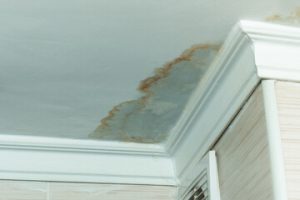
Insurance and Water Damage Claims: What Property Owners Should Know

Water damage can strike without warning. A burst pipe in the middle of the night, a leaking appliance hose, a roof compromised by heavy rain, or an overflowing drain can quickly turn a stable property into a restoration project. Beyond the immediate cleanup and repairs, property owners often face another daunting task: navigating the insurance and water damage claims process. Understanding how coverage works, what documentation is required, and how to communicate effectively with insurers can make a significant difference in the outcome of a claim.

water damage

Filing a water damage insurance claim is not simply about reporting a problem and waiting for reimbursement. It involves detailed documentation, policy interpretation, inspections, and coordination with restoration professionals. When handled correctly, the claims process can help property owners recover financially and restore their property efficiently. When handled poorly, it can lead to delays, reduced payouts, or even claim denials. Check out https://www.allproutah.com/ for more details.

Understanding Water Damage Coverage

The first and most important step in handling a water damage insurance claim is understanding what your policy actually covers. Not all water damage scenarios are treated equally under standard property insurance policies. Coverage typically depends on the cause of the damage and whether it was sudden and accidental or gradual and preventable.

Generally, most property insurance policies cover sudden and accidental water damage, such as:

  • Burst pipes
  • Sudden appliance failures
  • Accidental overflows
  • Storm-related roof leaks

However, gradual damage caused by long-term neglect, maintenance issues, or slow leaks may not be covered. Insurance providers often classify these as preventable problems rather than unforeseen events.

It’s critical to review your policy carefully to understand coverage limits, exclusions, and deductibles. Some policies may also require additional endorsements for certain types of water-related incidents, such as sewer backups or flooding caused by natural disasters.


The Difference Between Water Damage and Flood Damage

One area that often confuses is the distinction between water damage and flood damage. Standard property insurance policies typically cover internal water damage caused by plumbing or structural issues, but they may not cover flooding caused by rising groundwater or natural events.

Flood damage often requires a separate flood insurance policy. Without this additional coverage, property owners may find themselves responsible for repair costs resulting from external flooding events.

Understanding this distinction before disaster strikes can prevent unpleasant surprises during the claims process. Proactive policy review ensures that property owners have the appropriate coverage in place.


Steps to Take Immediately After Water Damage

When water damage occurs, taking prompt and organized action is essential—not only for minimizing structural damage but also for strengthening your insurance claim.

Here are critical steps property owners should follow:

  1. Stop the Source of Water
    If possible, shut off the main water supply or address the immediate cause of the leak. Mitigating further damage demonstrates responsibility and may be required by your insurance policy.
  2. Document Everything Thoroughly
    Take detailed photos and videos of the damage before beginning cleanup. Capture affected walls, floors, ceilings, furniture, and personal belongings.
  3. Contact Your Insurance Provider Promptly
    Reporting the incident quickly initiates the claims process and allows adjusters to schedule inspections.
  4. Begin Mitigation Efforts
    Prevent further damage by removing standing water and protecting unaffected areas. However, avoid discarding damaged items until the adjuster has reviewed them unless necessary for safety.

Prompt action not only limits the scope of restoration but also demonstrates compliance with policy requirements.


The Role of the Insurance Adjuster

After a claim is filed, the insurance company assigns an adjuster to inspect the property and assess the damage. The adjuster evaluates the extent of water damage, determines the cause, and estimates repair costs based on policy coverage.

During this stage, clear communication is vital. Property owners should provide documentation, photographs, repair estimates, and receipts for emergency services. Being organized and transparent helps prevent misunderstandings and delays.

It’s also beneficial to work with reputable water damage restoration professionals who can provide detailed assessments and cost breakdowns. Their documentation supports the claim and ensures accurate representation of repair needs.


Common Challenges in Water Damage Claims

While many claims proceed smoothly, others encounter challenges that delay resolution or reduce payouts. Understanding potential obstacles can help property owners prepare and respond effectively.

Some common challenges include:

  1. Disputed Cause of Damage
    Insurers may question whether the damage was sudden and accidental or the result of long-term neglect. Clear documentation and maintenance records can help support your case.
  2. Incomplete Documentation
    Missing photographs, receipts, or inspection reports can weaken a claim. Thorough record-keeping strengthens credibility.
  3. Policy Exclusions
    Certain types of water damage may be excluded under the policy. Understanding these exclusions in advance is critical.
  4. Underestimated Repair Costs
    Initial estimates may not fully reflect the scope of hidden moisture or structural damage. Professional restoration assessments can help clarify actual repair needs.

Proactively addressing these issues improves the likelihood of a fair settlement.


The Importance of Professional Water Damage Restoration

Insurance companies often recommend or approve professional water damage restoration services. These professionals use specialized equipment to extract water, dry affected areas, and prevent mold growth. Their involvement not only speeds up recovery but also provides detailed documentation of damage and mitigation efforts.

Professional restoration services typically include:

  • Moisture detection and thermal imaging
  • Industrial-grade water extraction
  • Dehumidification and structural drying
  • Mold prevention and remediation
  • Repair and reconstruction

Working with certified restoration specialists ensures that damage is properly addressed and documented, supporting both structural integrity and insurance claim accuracy.


Keeping Accurate Records

Thorough record-keeping is one of the most effective ways to protect yourself during the claims process. Maintaining organized documentation helps streamline communication with your insurer and prevents disputes.

Property owners should keep:

  • Copies of insurance policies and endorsements
  • Maintenance records
  • Photos and videos of pre-loss property condition (if available)
  • Receipts for repairs and emergency services
  • Communication logs with insurance representatives

This documentation demonstrates responsible property maintenance and provides evidence if questions arise about coverage eligibility.


Understanding Deductibles and Coverage Limits

Insurance policies include deductibles—the amount property owners must pay before coverage applies. It’s important to understand how deductibles affect claim payouts. In some cases, minor water damage may not exceed the deductible, making it more practical to cover repairs out of pocket.

Coverage limits also determine how much the insurance company will pay for specific types of damage. For example, personal property coverage may have limits that differ from structural repair coverage. Reviewing these limits helps property owners set realistic expectations.

Knowing your deductible and coverage limits in advance allows for better financial planning during emergencies.


Preventing Future Water Damage Claims

While insurance provides financial protection, preventing water damage in the first place is always the best strategy. Frequent claims can impact insurance premiums and insurability over time.

Property owners can reduce the likelihood of future claims by:

  1. Conducting Regular Plumbing Inspections
    Replace aging hoses and repair leaks promptly.
  2. Maintaining Roof and Gutter Systems
    Ensure proper drainage away from the foundation.
  3. Installing Leak Detection Devices
    Modern technology can alert property owners to abnormal water flow.
  4. Monitoring Indoor Humidity Levels
    Controlling moisture reduces mold risk and long-term deterioration.

Proactive maintenance not only protects property value but also reduces reliance on insurance claims.


Navigating the Emotional and Financial Impact

Water damage can be emotionally taxing. Beyond the structural repairs, property owners often face temporary displacement, business interruptions, or loss of personal belongings. Understanding the insurance process helps reduce uncertainty and anxiety during this challenging time.

Clear communication with insurers, timely documentation, and collaboration with restoration professionals create a smoother recovery experience. Taking a structured and informed approach empowers property owners to regain control.


Being Prepared Makes All the Difference

Insurance and water damage claims can feel overwhelming, but preparation and knowledge make the process far more manageable. Understanding your policy, documenting damage thoroughly, and working with qualified restoration professionals are essential steps toward a successful claim.

While insurance provides financial support, it does not replace the importance of proactive maintenance and prevention. By staying informed about coverage details, deductibles, and policy limitations, property owners can protect both their investment and their peace of mind.

Water damage may be unpredictable, but with the right strategy, the path to recovery doesn’t have to be. When property owners understand the claims process and take decisive action, they position themselves for a smoother restoration journey and stronger long-term protection.