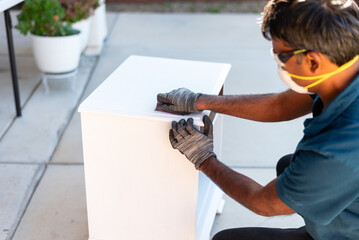
A kitchen renovation does not always require tearing out cabinets and starting from scratch. In many cases, existing cabinets remain structurally sound but simply look outdated, worn, or out of style. Homeowners searching for a cost effective way to update their kitchens often encounter two popular options: cabinet painting and cabinet refinishing. While these terms are sometimes used interchangeably, they are not exactly the same process.
Understanding the difference between cabinet painting and Cabinet Refinishing San Jose CA is important when planning a remodeling project. Each option offers unique benefits, costs, and results depending on the condition of the cabinets and the homeowner’s design goals. By learning how these methods differ, homeowners can make informed decisions and choose the solution that best fits their needs.
Understanding Cabinet Painting
Cabinet painting is the process of applying a new paint finish to existing cabinets. The primary goal is to change the appearance of the cabinetry by covering the existing surface with a fresh coat of paint.
The process generally begins with cleaning, sanding, repairing minor imperfections, and applying primer. Once the cabinets have been properly prepared, paint is applied in multiple coats to achieve a smooth and durable finish.
Cabinet painting is often chosen by homeowners who want to completely transform the color of their cabinets. For example, dark wood cabinets can be painted white, gray, blue, or virtually any other color to create a fresh and updated look.
One of the biggest advantages of cabinet painting is its ability to dramatically alter the visual style of a room. A new paint color can make a kitchen feel brighter, larger, more modern, or more sophisticated depending on the chosen design.
Because paint covers the original surface, the natural wood grain is typically no longer visible after the project is completed.
Understanding Cabinet Refinishing
Cabinet refinishing is a broader term that refers to restoring and renewing the appearance of cabinets while preserving the underlying material. Unlike painting, refinishing does not always involve applying paint.
Refinishing may include stripping old finishes, sanding surfaces, repairing damage, applying stain, adding protective coatings, or restoring the original beauty of the wood. The specific process depends on the material and the desired outcome.
For wood cabinets, refinishing often focuses on enhancing the natural grain rather than covering it. Homeowners may choose a different stain color to modernize the appearance while still showcasing the wood’s character.
Refinishing can also include painting in some situations. However, when professionals discuss cabinet refinishing, they are often referring to restoration techniques that preserve or enhance the original material rather than completely concealing it.
This distinction is one reason many homeowners become confused about the difference between the two services.
The Main Difference Between Painting and Refinishing
The most significant difference between cabinet painting and cabinet refinishing is how the original cabinet surface is treated.
Cabinet painting covers the existing surface with paint. The goal is to create a new color and appearance that hides the original material beneath the finish. Once painted, the natural characteristics of the wood or surface are no longer visible.
Cabinet refinishing, on the other hand, often seeks to restore or improve the existing material. Rather than hiding the wood grain, refinishing typically enhances it through staining, sealing, and protective coatings.
Painting creates an entirely new look by changing the color and style of the cabinets. Refinishing preserves the character of the original material while refreshing its appearance.
The choice between these methods largely depends on whether homeowners want to showcase the natural beauty of their cabinets or completely reinvent their appearance.
When Cabinet Painting Is the Better Choice
Cabinet painting is often the preferred option when homeowners want a dramatic visual transformation. If the goal is to modernize outdated cabinets or align them with a new color scheme, painting provides nearly unlimited design possibilities.
Painted cabinets have become increasingly popular in contemporary kitchen design. Light colors can create a bright and open atmosphere, while darker shades can add depth and sophistication.
Painting is also an excellent choice for cabinets made from materials that do not have particularly attractive wood grain. In these situations, covering the surface with paint may produce a more appealing result than attempting to highlight the underlying material.
Homeowners who wish to follow current design trends often find painting to be the most flexible option. Color choices can be customized to match changing styles and personal preferences.
The ability to completely alter the appearance of cabinets makes painting one of the most transformative remodeling solutions available.
When Cabinet Refinishing Is the Better Choice
Cabinet refinishing is often ideal for homeowners who appreciate the natural beauty of wood. High quality wood cabinets frequently possess attractive grain patterns that contribute to the character and warmth of a space.
Rather than covering these features, refinishing enhances them. A new stain color or protective finish can make older cabinets look refreshed while preserving their original charm.
Refinishing is also well suited for historic homes or properties with custom wood cabinetry. Maintaining the natural appearance of the wood can help preserve the architectural integrity of the space.
Many homeowners choose refinishing because they want an updated look without losing the craftsmanship and uniqueness of their existing cabinets.
For cabinets that remain structurally sound and visually appealing beneath the worn finish, refinishing can provide outstanding results.
Cost Comparison Between Cabinet Painting and Refinishing
Cost is often an important factor when choosing between painting and refinishing. The total investment depends on the size of the project, cabinet condition, materials, and labor requirements.
In many cases, painting and refinishing are similarly priced because both processes require extensive preparation. Cleaning, sanding, repairing, and surface preparation are necessary regardless of the final finish.
However, refinishing can sometimes involve additional labor if old finishes must be stripped completely before staining or sealing. Cabinets with intricate details may require significant effort to restore properly.
Painting may require multiple coats of primer and paint, which can also increase labor and material costs.
Because every project is unique, homeowners should evaluate both options based on their specific goals rather than focusing solely on price.
The long term value of the finished result is often more important than minor differences in project costs.
Durability and Longevity
Both cabinet painting and cabinet refinishing can provide durable results when performed correctly. The longevity of the finish depends largely on preparation quality, product selection, and ongoing maintenance.
Painted cabinets can resist everyday wear effectively when high quality paints and primers are used. Modern cabinet coatings are specifically designed to withstand frequent handling, moisture exposure, and routine cleaning.
Refinished wood cabinets also offer excellent durability. Protective topcoats help shield the wood from scratches, stains, and environmental factors while preserving its natural appearance.
The durability of either option improves significantly when professional techniques are used during preparation and application.
Regular maintenance and proper care help extend the lifespan of both painted and refinished cabinets, ensuring long lasting beauty and functionality.
Environmental Considerations
Many homeowners are increasingly concerned about sustainability and environmental responsibility. Both painting and refinishing can be more environmentally friendly than replacing cabinets entirely.
By preserving existing cabinetry, homeowners reduce waste and minimize the demand for new materials. This helps conserve resources and keeps usable cabinets out of landfills.
Refinishing may offer a slight environmental advantage when it preserves existing wood surfaces rather than covering them with multiple paint layers. However, both methods can be environmentally responsible when low VOC products and sustainable materials are used.
The environmental impact of either project is generally far lower than that of full cabinet replacement.
Choosing to update existing cabinets instead of replacing them supports resource conservation and responsible home improvement practices.
Which Option Adds More Value?
Both cabinet painting and cabinet refinishing can enhance the value and appeal of a home. The best option depends on the property’s style, the quality of the existing cabinets, and buyer preferences.
Painted cabinets often appeal to homeowners seeking modern and updated interiors. Fresh colors can create a contemporary look that attracts attention and improves visual appeal.
Refinished wood cabinets can add value by showcasing craftsmanship and natural materials. High quality wood cabinetry often carries a sense of luxury and timeless elegance.
The greatest value typically comes from selecting the option that complements the home’s overall design while maintaining high standards of workmanship.
A well executed project can make a significant difference in the appearance and marketability of a property.
How to Decide Between Cabinet Painting and Refinishing
The decision ultimately comes down to personal preferences and project goals. Homeowners who want a completely new color and modern appearance may find painting to be the better solution.
Those who appreciate natural wood and wish to preserve its beauty may prefer refinishing. The condition of the cabinets, available budget, and desired style should all be considered during the decision making process.
Evaluating the quality of the existing cabinetry is also important. High quality wood cabinets often justify refinishing, while cabinets with less distinctive surfaces may benefit more from painting.
Understanding the strengths of each option allows homeowners to choose a solution that delivers the appearance, performance, and value they desire.
Final Thoughts
When comparing cabinet painting vs cabinet refinishing, the primary difference lies in how the original cabinet surface is treated. Cabinet painting covers the existing material with a new color, creating a completely transformed appearance. Cabinet refinishing restores and enhances the existing surface, often preserving the natural beauty of the wood. Both options offer cost effective alternatives to cabinet replacement and can dramatically improve the look of a kitchen or bathroom. By carefully considering design goals, cabinet condition, and long term preferences, homeowners can select the approach that best suits their needs and enjoy beautiful cabinets for years to come.